
A sustainable strategy to fight anemia and strengthen food security
In the high Andean communities of southern Peru, where harsh weather conditions limit agricultural production, anemia and child malnutrition remain serious public health challenges. According to the 2022 Demographic and Health Survey (ENDES) by INEI, 42.4% of children between 6 and 35 months suffer from anemia, an alarming figure that highlights the need for sustainable access to nutritious food. In response, the organization Con Corazón implemented a family greenhouse project in the rural community of Marampaqui (Cusco). The initiative aims to strengthen food security, improve nutrition, and promote productive self-sufficiency. It combines appropriate technology with active community participation, generating a direct impact on the health, economy, and wellbeing of Andean families.
Regular foods at over 4,000 meters above sea level
In these high-altitude regions, people’s diets rely on crops adapted to extreme climates. Potatoes, quinoa, and chuño, foods they grow themselves, form the base of their nutrition thanks to their energy value and long shelf life. Animal proteins mainly come from guinea pigs, llamas, and alpacas, species adapted to high altitudes that provide meat, wool, and labor support, contributing to food security in the Peruvian Andes.
Medicinal plants
Medicinal plants such as muña, used for digestive issues and altitude sickness, and coca leaves, traditionally used to relieve pain, increase energy and in ceremonies, are commonly cultivated. Other important plants include mint, used for digestion and stress relief, and hercampuri, traditionally used to manage diabetes.
Needs identified by Con Corazón
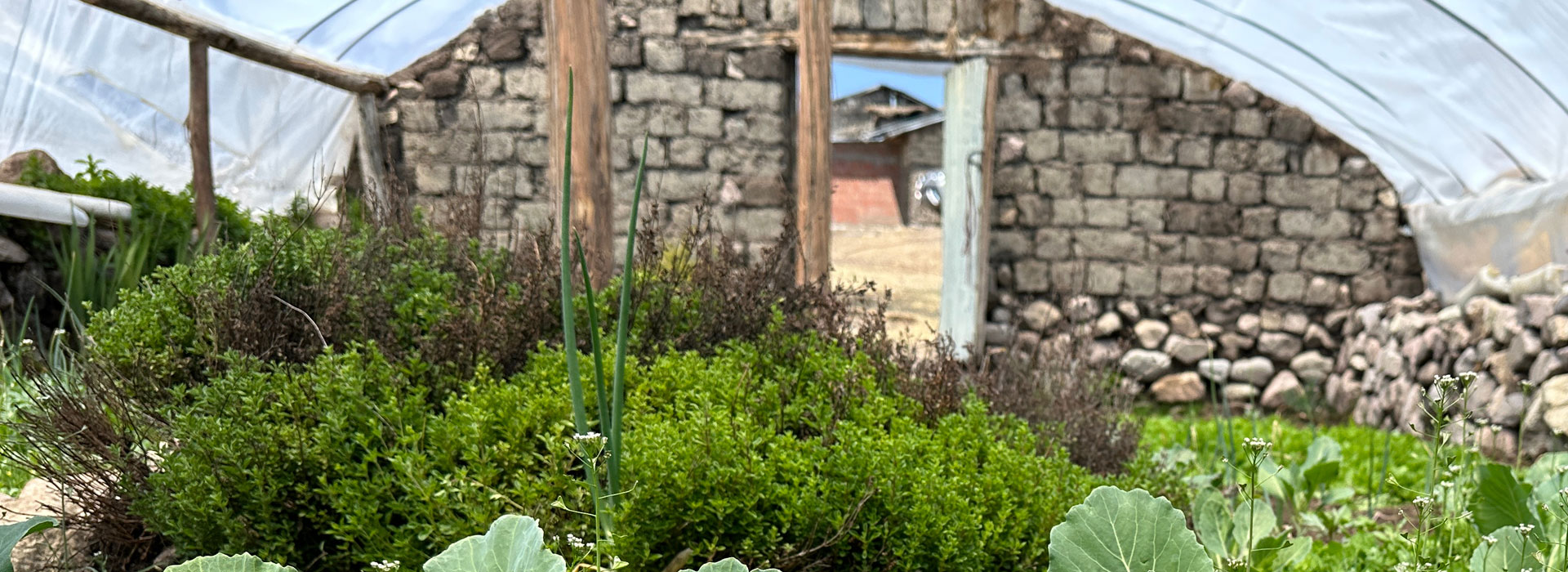
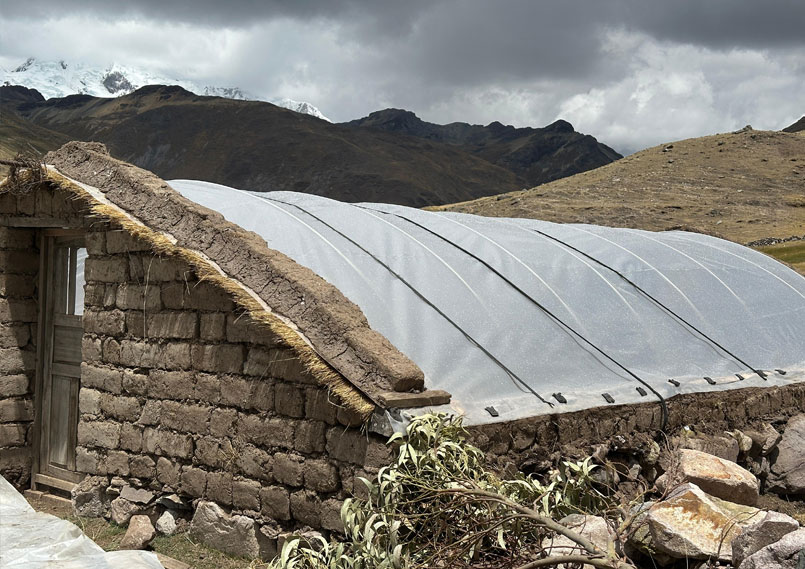
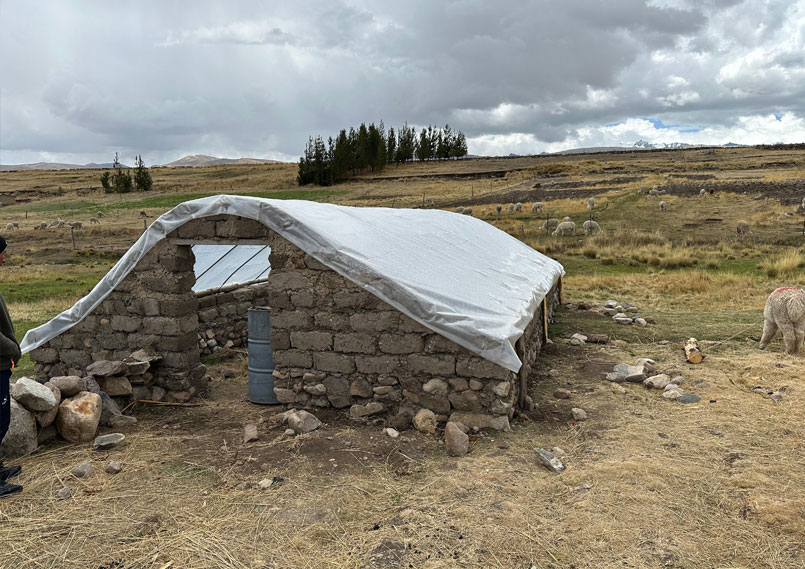
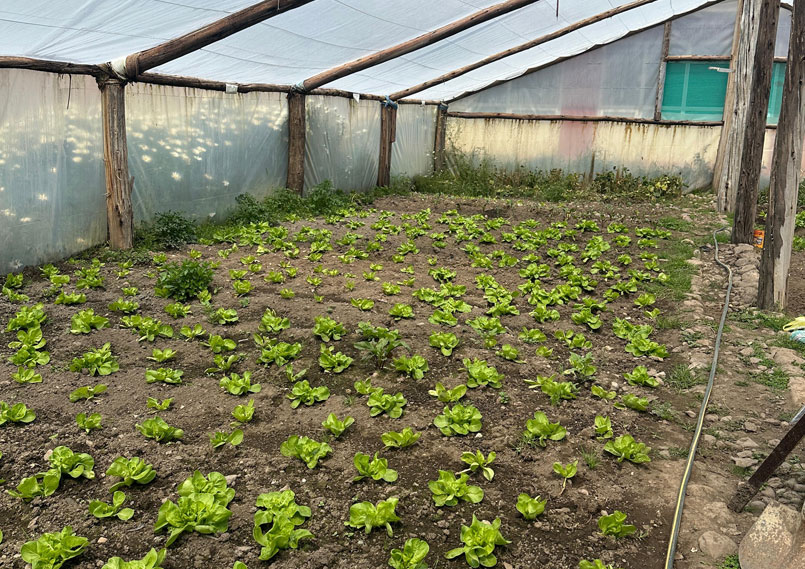
The introduction of greenhouses in Marampaqui offers an effective solution to the lack of vegetables in the local diet and the growing impacts of climate change. These structures protect crops from frost, heavy rain, and strong winds, creating a controlled microclimate that allows year-round cultivation. They maintain stable temperatures, preventing plant damage during cold nights, and improve water efficiency by reducing irrigation frequency. Economically, greenhouses enhance food security, increase family income through more frequent and higher-quality harvests, and diversify production. They also help reduce malnutrition by ensuring access to fresh, nutritious food.
Design
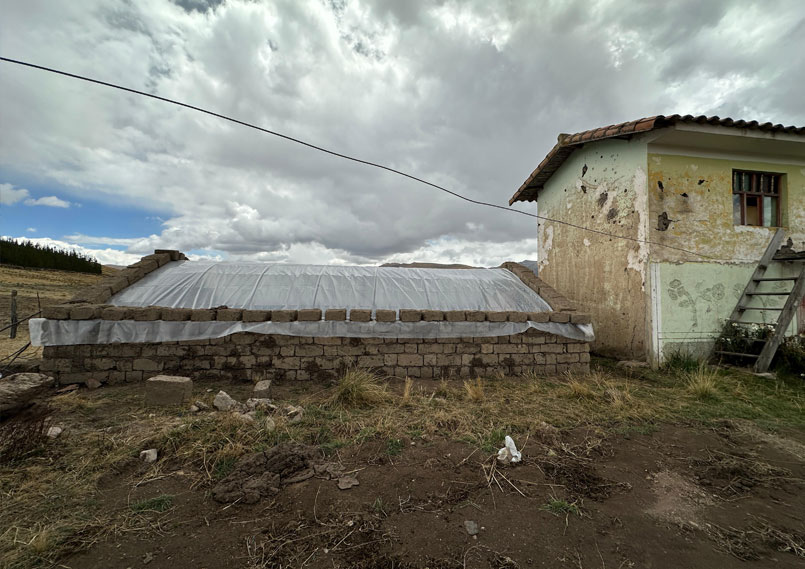
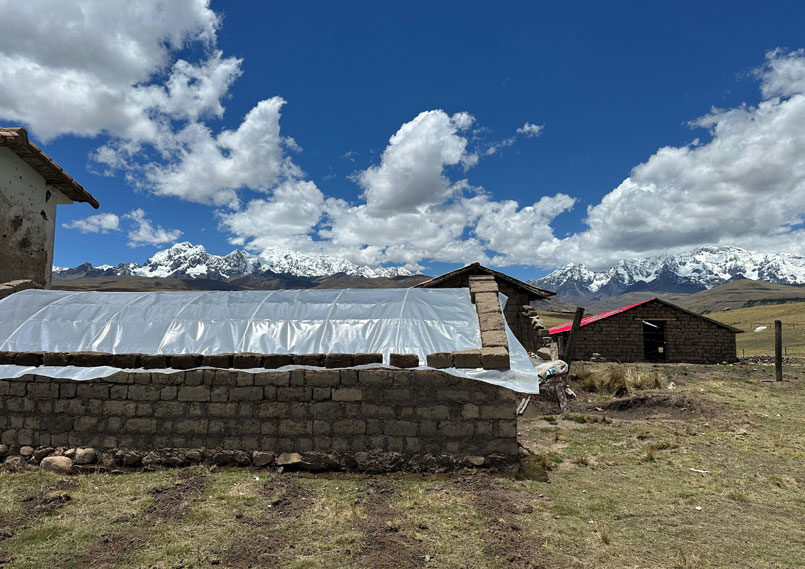
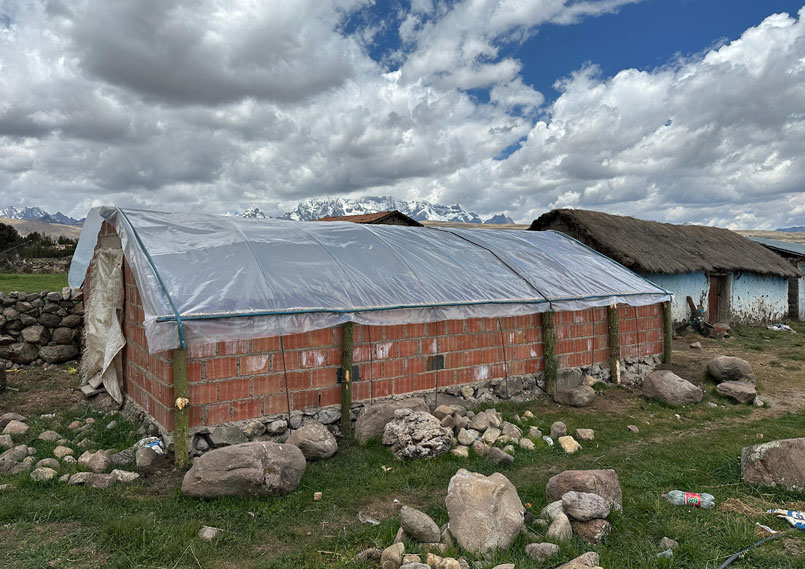
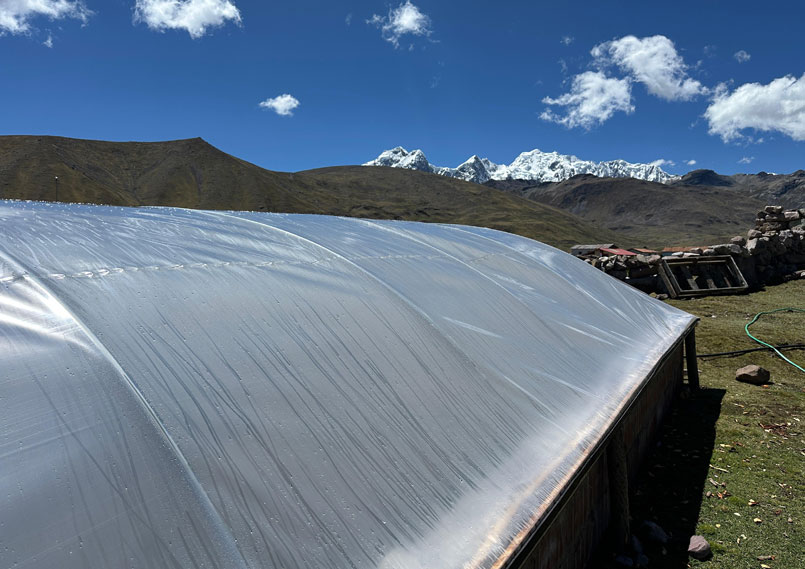
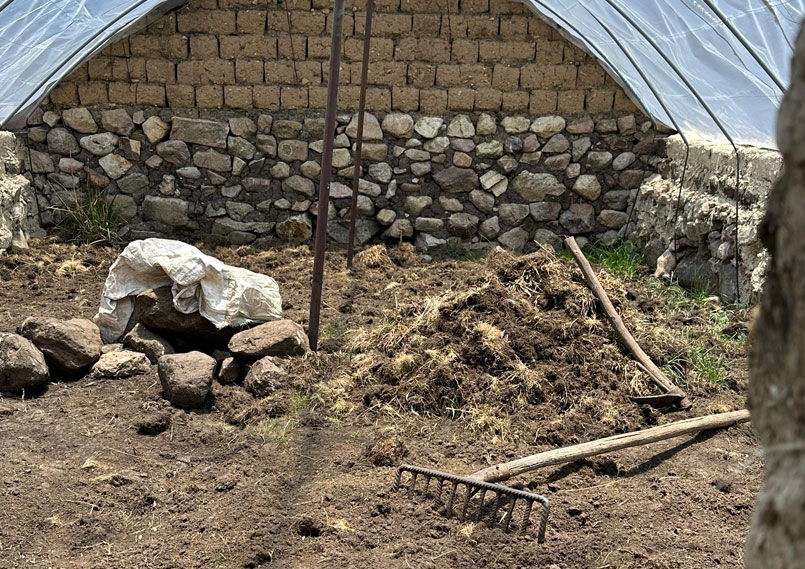
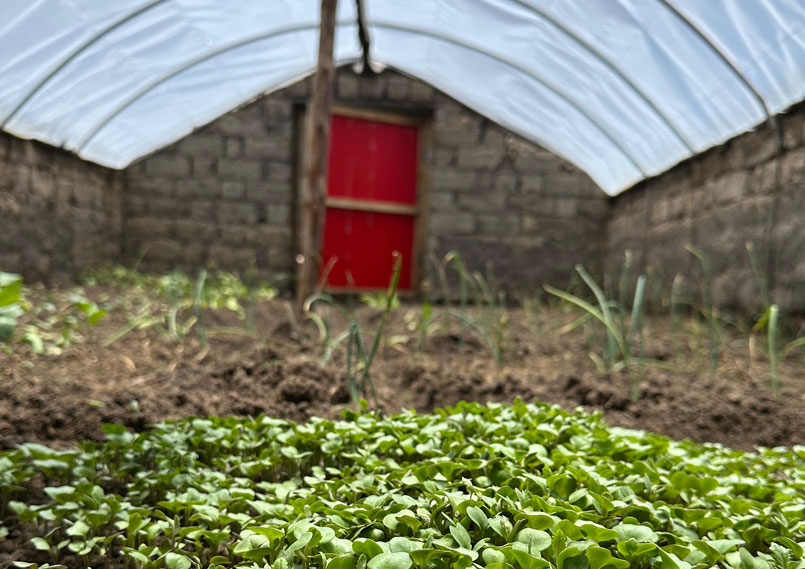
Each greenhouse is adapted to Andean conditions, combining local materials like adobe, brick, and eucalyptus wood, with modern technologies such as thermal polyethylene. Together, these structures strengthen community resilience to climate change, promote agricultural sustainability, and support economic development in Peru’s most vulnerable regions.
The implementation plan
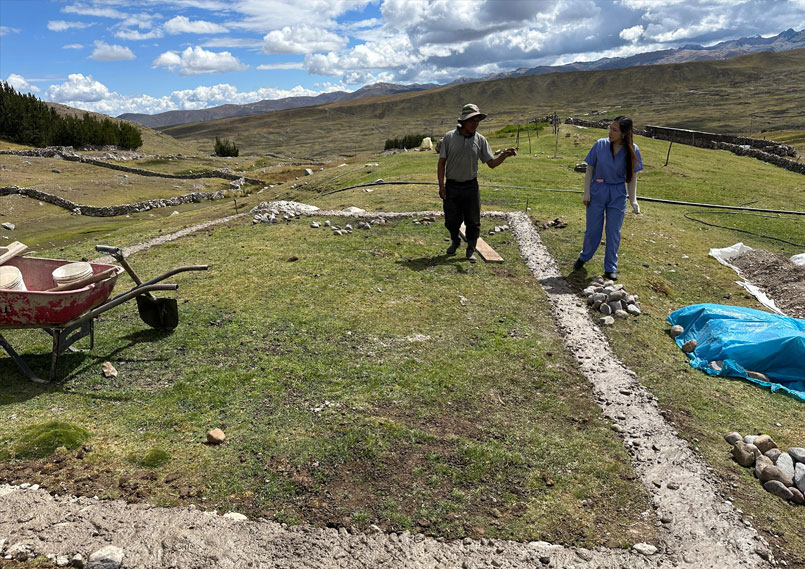
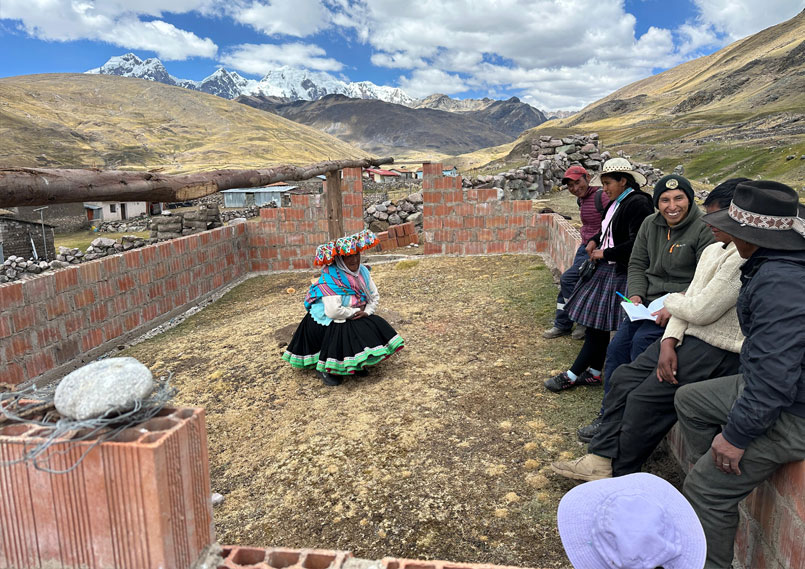
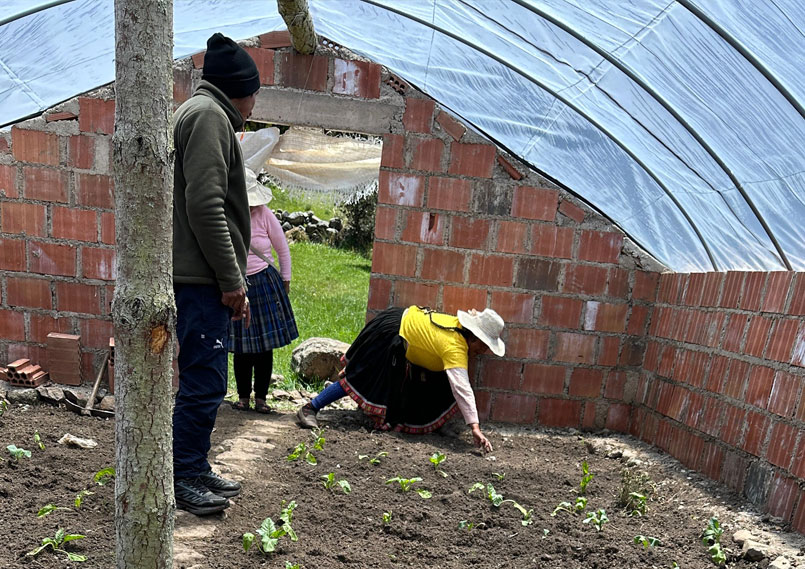
The Marampaqui greenhouse project was carefully planned and participatory, beginning several months before construction. Early meetings focused on raising awareness about the benefits of greenhouses for food production and family nutrition. Later sessions defined the implementation plan, timeline, and responsibilities. Beneficiaries contributed local materials like adobe, brick, eucalyptus wood and labor, fostering ownership and shared responsibility. In the case of single mothers, other participants joined forces to support them, ensuring all families could complete their greenhouses.
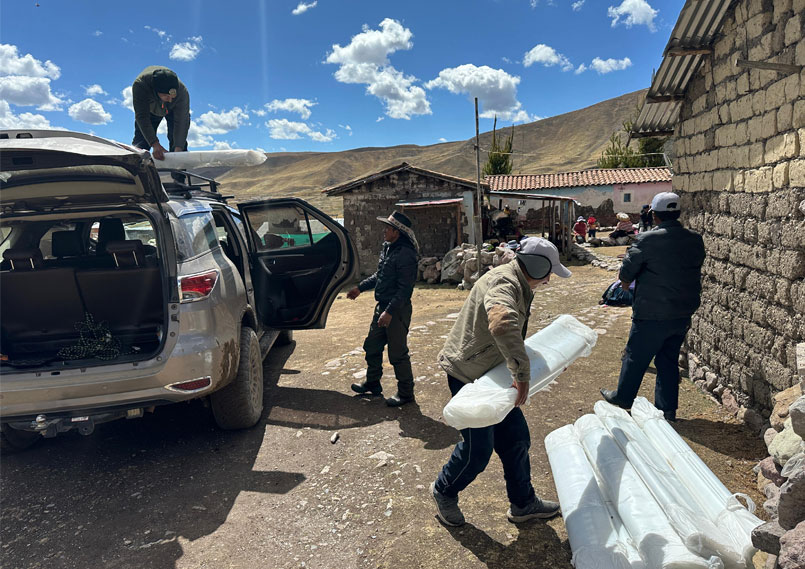
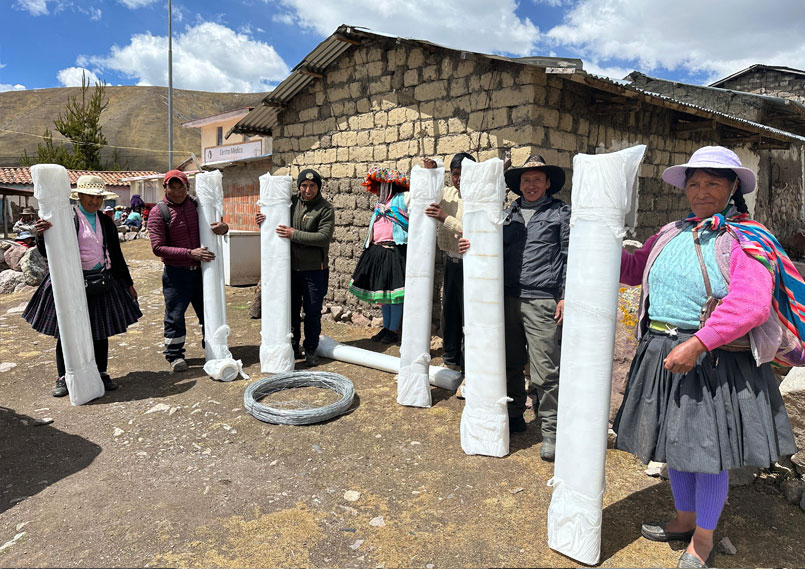
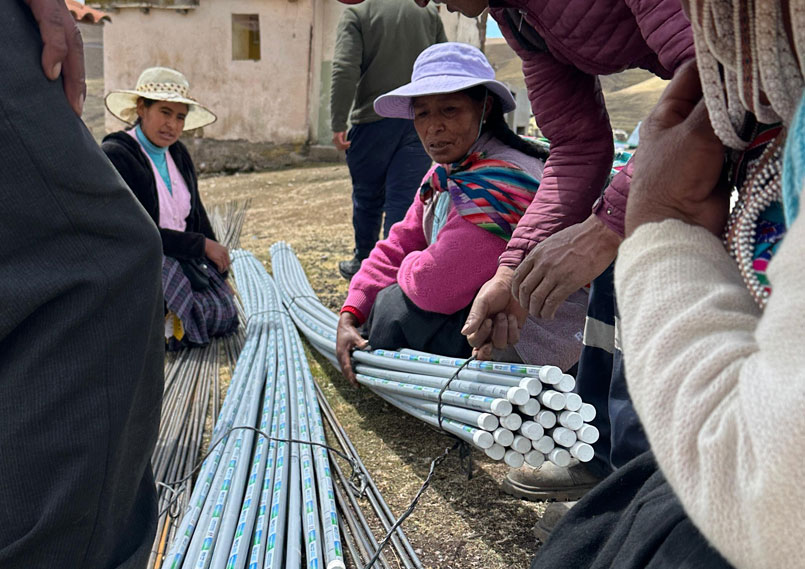
Con Corazón provided essential materials such as plastic roofing, nails, planks, plastic tubes, iron, nets, and metal wire. Thanks to this collective effort, each family built their own greenhouse and chose which vegetables and medicinal plants to grow, based on their needs and preferences. The initiative not only strengthens local food production and self-sufficiency but also reinforces social cooperation and community ties in the high Andes.
Economic opportunities
Some greenhouse beneficiaries chose to grow strawberries besides all the vegetables, taking advantage of the favorable conditions these structures provide. This new crop diversifies agricultural production and creates income opportunities for families. Selling strawberries in local markets will help generate additional income, improve household economies, and foster rural entrepreneurship enhancing both the project’s sustainability and community development.
Coordination strategy
Dino Cruz, our health promoter at the Marampaqui Medical Center, played a key role in project follow-up. Riding his motorcycle, he visited each beneficiary to monitor progress and offer technical and motivational support. He also organized regular coordination meetings, ensuring smooth communication among participants. Thanks to his close relationship with the community, he successfully encouraged responsibility and commitment, motivating families to meet their goals.
Conclusion
The greenhouse initiative has proven to be an effective strategy to strengthen food security, improve nutrition, and promote sustainable agriculture under extreme climate conditions. Beyond providing fresh food year-round, it has fostered community participation, shared responsibility, and empowerment, especially among women and single mothers. The use of local materials and appropriate technology ensured adaptation to Andean conditions, guaranteeing durability and functionality.
This experience shows strong potential for replication in other rural Andean regions or areas with similar geographical and climatic challenges. With proper training, technical support, and collaboration with local governments or partner institutions, this model can reach more communities. Ultimately, the greenhouse project stands as a sustainable local solution to climate change and poverty and as an inspiring example of how community-driven initiatives can improve the quality of life for vulnerable rural populations.
November 2025