

Andean Greenhouses
ExpiredA sustainable strategy to fight anemia and strengthen food security
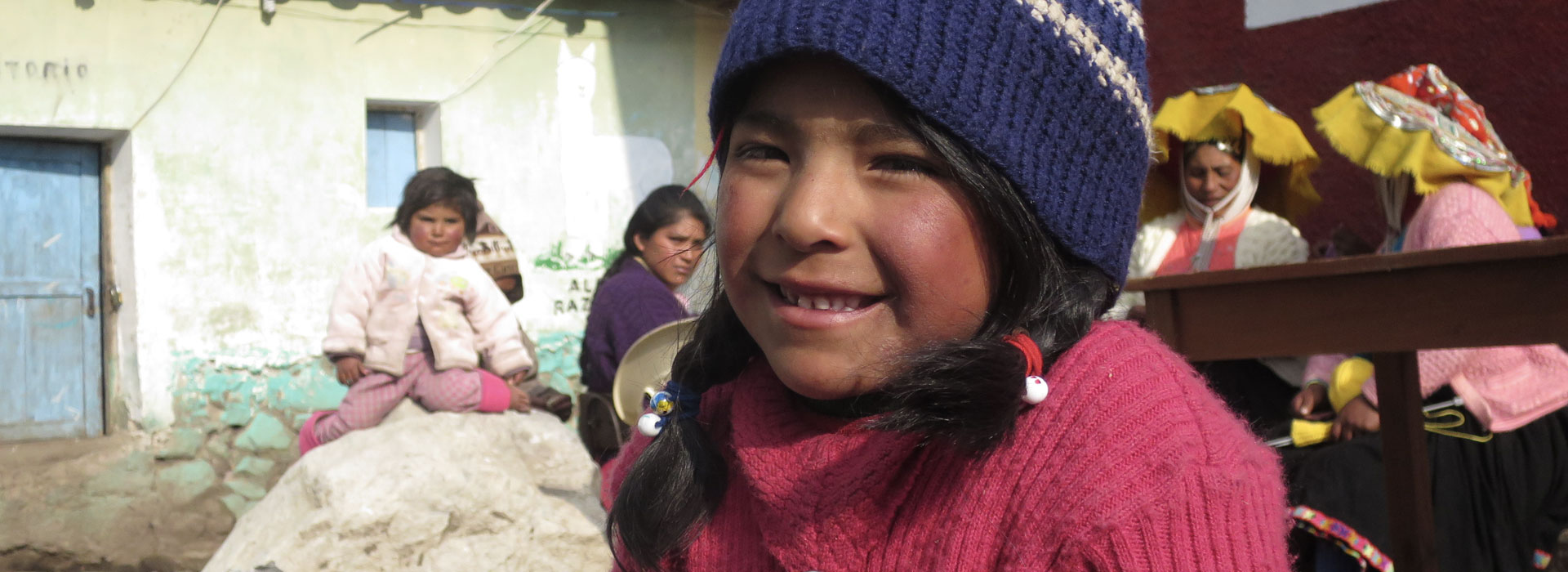
In the high Andean communities of southern Peru, where harsh weather conditions limit agricultural production, anemia and child malnutrition remain serious public health challenges. According to the 2022 Demographic and Health Survey (ENDES) by INEI, 42.4% of children between 6 and 35 months suffer from anemia, an alarming figure that highlights the need for sustainable access to nutritious food. In response, the organization Con Corazón implemented a family greenhouse project in the rural community of Marampaqui (Cusco). The initiative aims to strengthen food security, improve nutrition, and promote productive self-sufficiency. It combines appropriate technology with active community participation, generating a direct impact on the health, economy, and wellbeing of Andean families.
Regular foods at over 4,000 meters above sea level
In these high-altitude regions, people’s diets rely on crops adapted to extreme climates. Potatoes, quinoa, and chuño, foods they grow themselves, form the base of their nutrition thanks to their energy value and long shelf life. Animal proteins mainly come from guinea pigs, llamas, and alpacas, species adapted to high altitudes that provide meat, wool, and labor support, contributing to food security in the Peruvian Andes.
Medicinal plants
Medicinal plants such as muña, used for digestive issues and altitude sickness, and coca leaves, traditionally used to relieve pain, increase energy and in ceremonies, are commonly cultivated. Other important plants include mint, used for digestion and stress relief, and hercampuri, traditionally used to manage diabetes.
Needs identified by Con Corazón
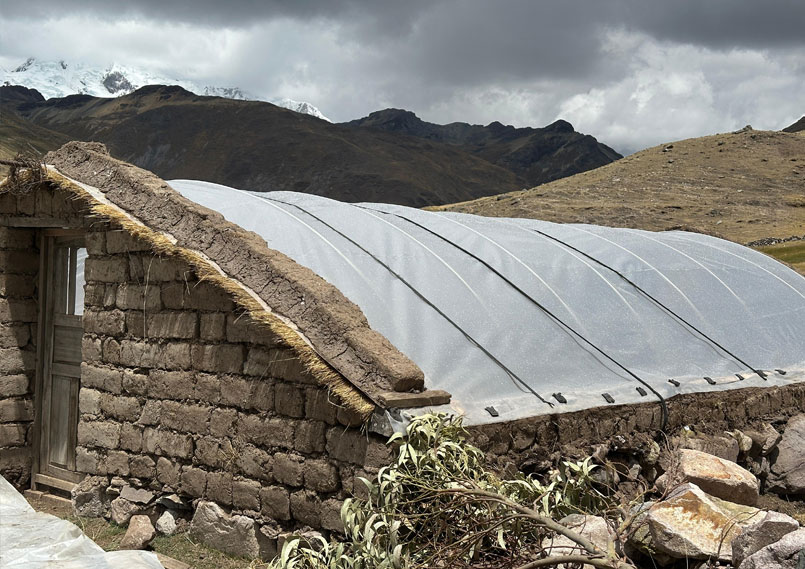
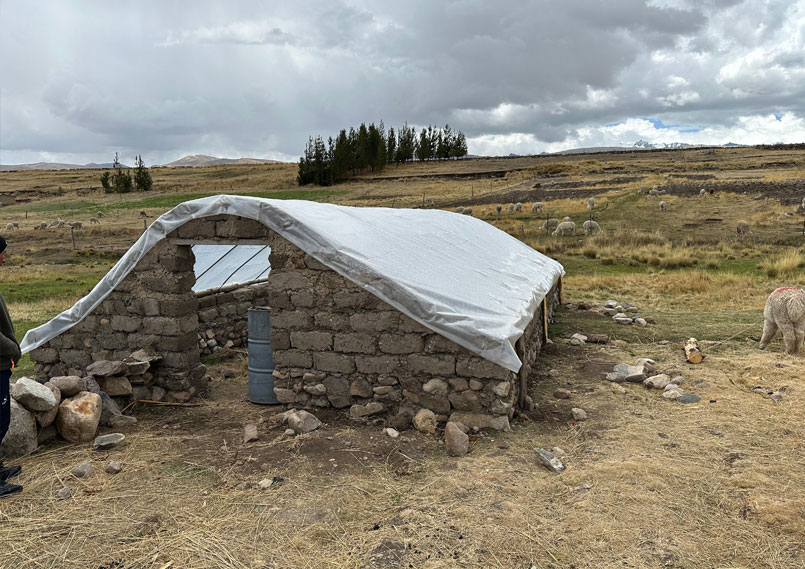
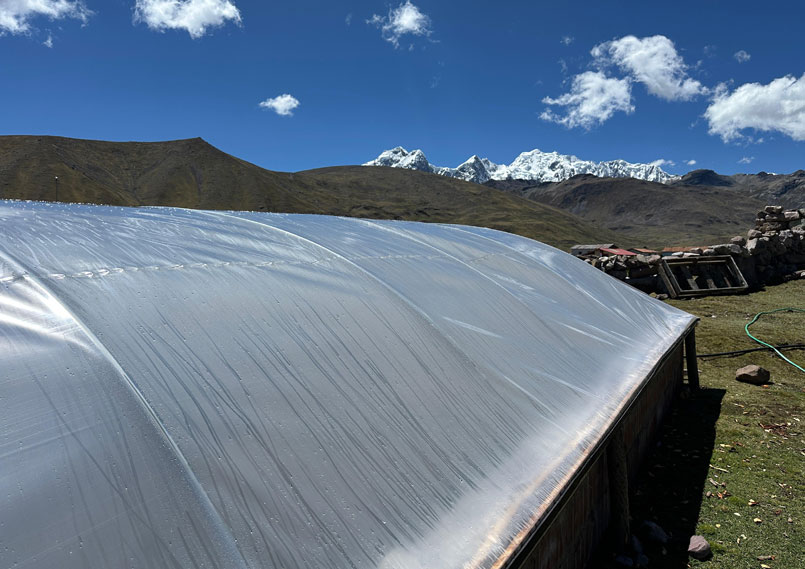
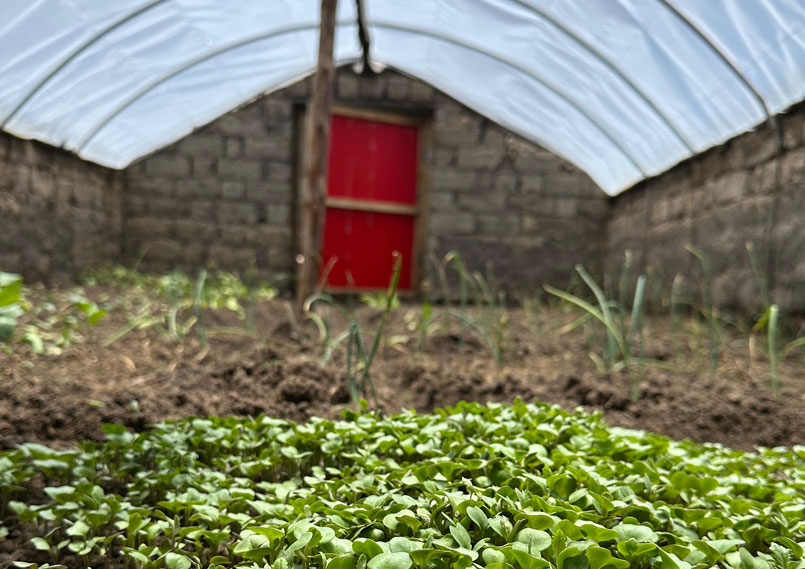
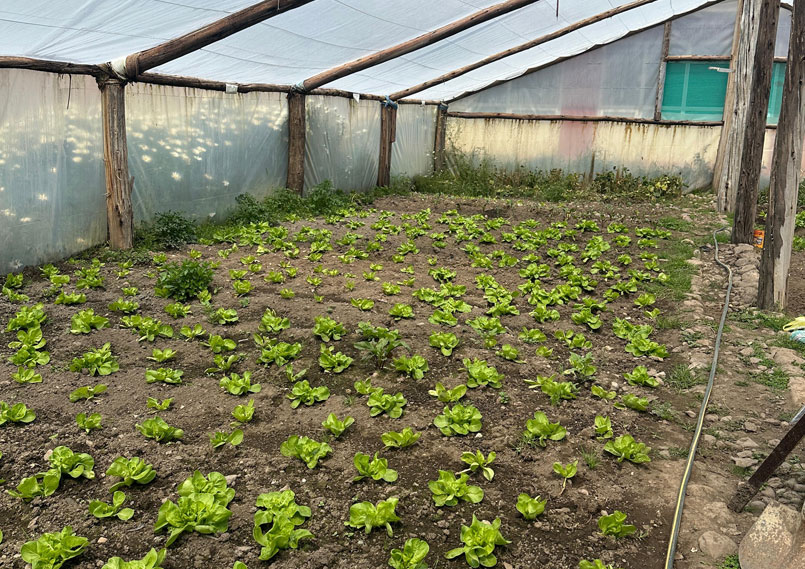
The introduction of greenhouses in Marampaqui offers an effective solution to the lack of vegetables in the local diet and the growing impacts of climate change. These structures protect crops from frost, heavy rain, and strong winds, creating a controlled microclimate that allows year-round cultivation. They maintain stable temperatures, preventing plant damage during cold nights, and improve water efficiency by reducing irrigation frequency. Economically, greenhouses enhance food security, increase family income through more frequent and higher-quality harvests, and diversify production. They also help reduce malnutrition by ensuring access to fresh, nutritious food.
Design
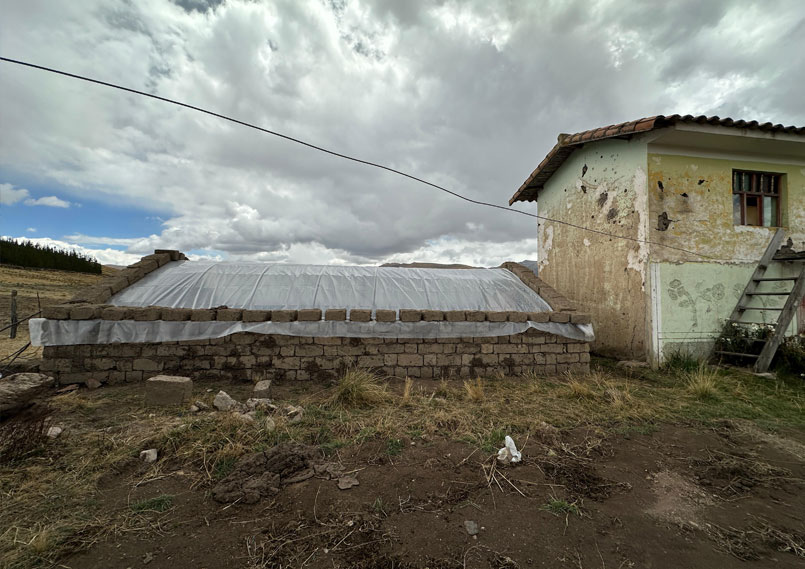
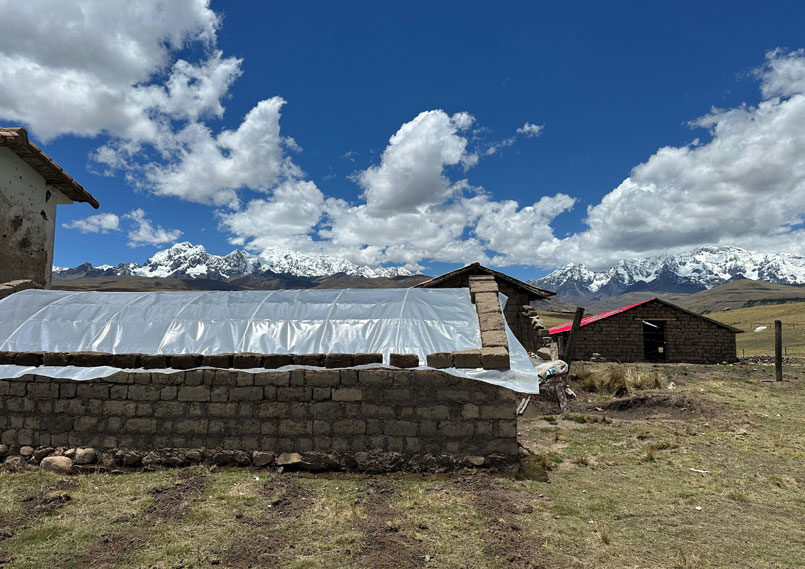
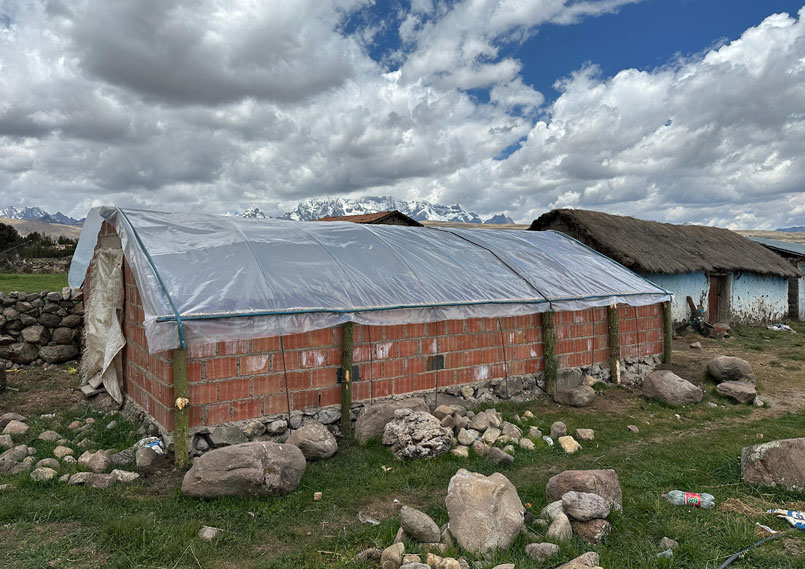
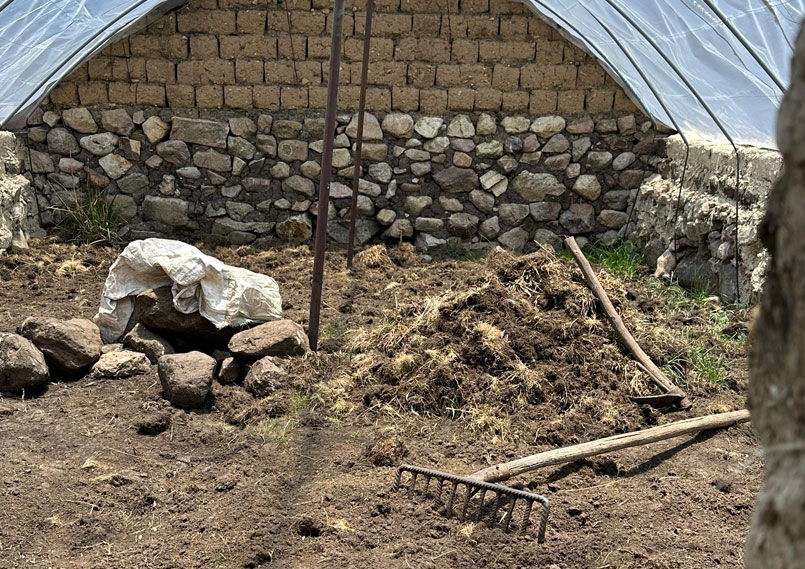
Each greenhouse is adapted to Andean conditions, combining local materials like adobe, brick, and eucalyptus wood, with modern technologies such as thermal polyethylene. Together, these structures strengthen community resilience to climate change, promote agricultural sustainability, and support economic development in Peru’s most vulnerable regions.
The implementation plan
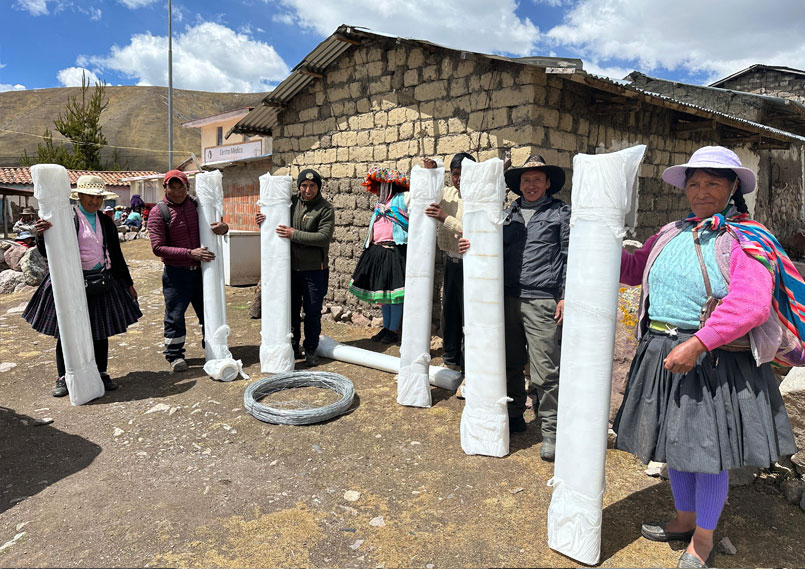
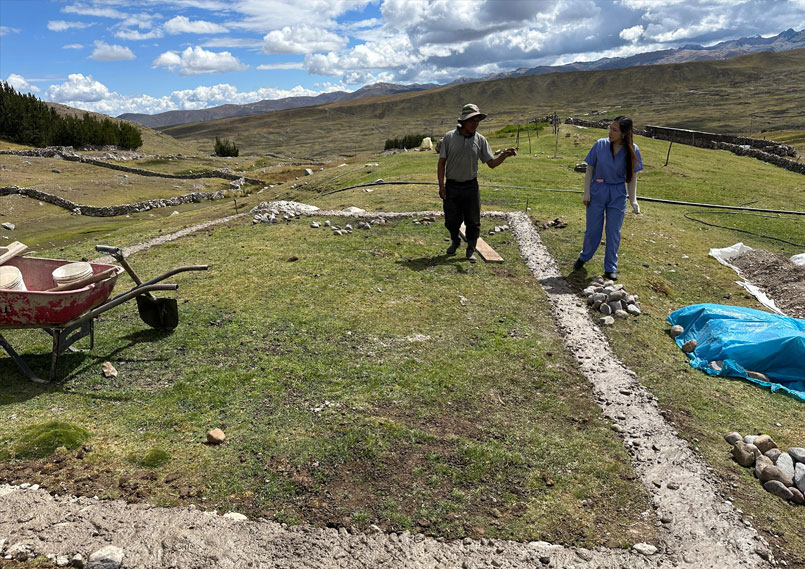
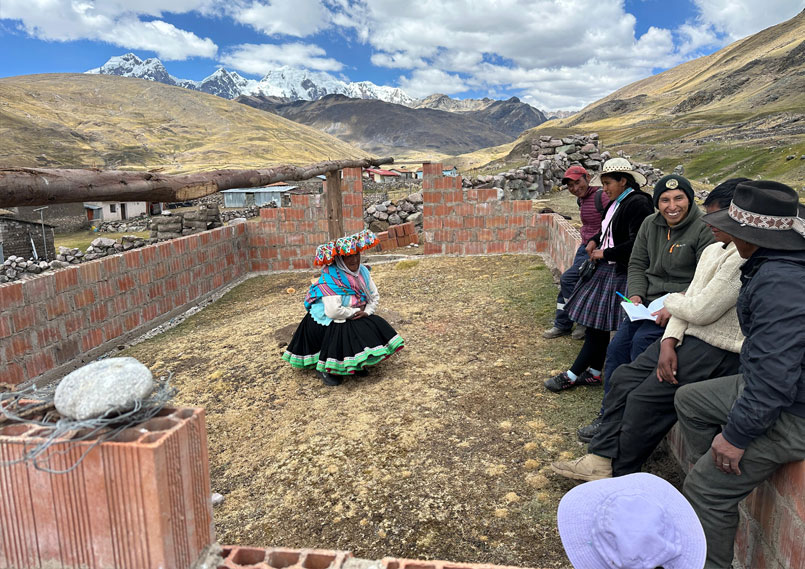
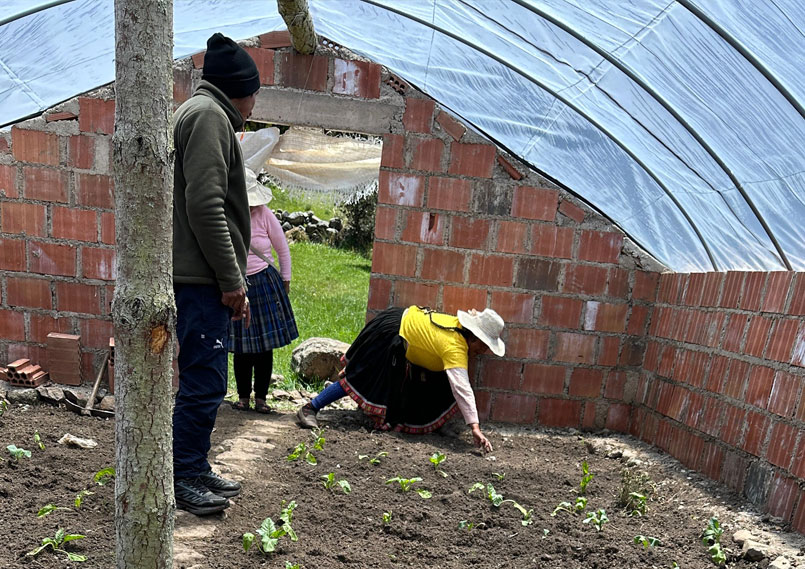
The Marampaqui greenhouse project was carefully planned and participatory, beginning several months before construction. Early meetings focused on raising awareness about the benefits of greenhouses for food production and family nutrition. Later sessions defined the implementation plan, timeline, and responsibilities. Beneficiaries contributed local materials like adobe, brick, eucalyptus wood and labor, fostering ownership and shared responsibility. In the case of single mothers, other participants joined forces to support them, ensuring all families could complete their greenhouses.
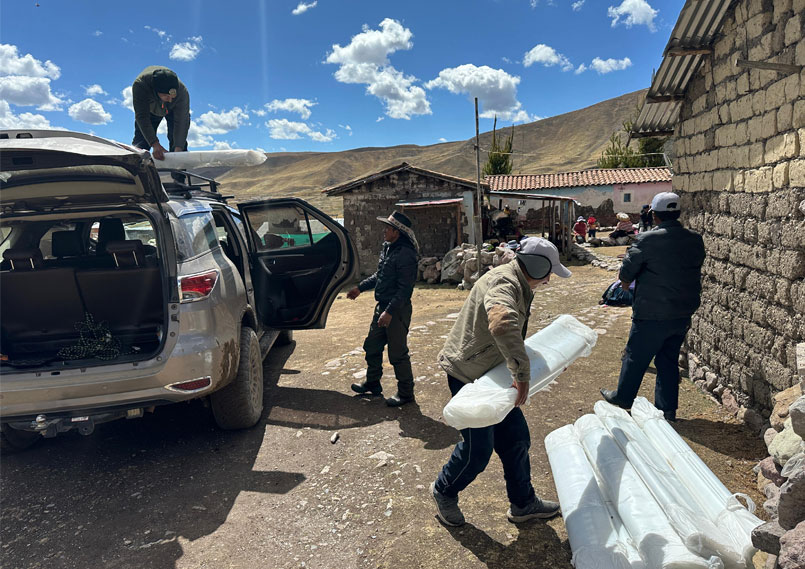
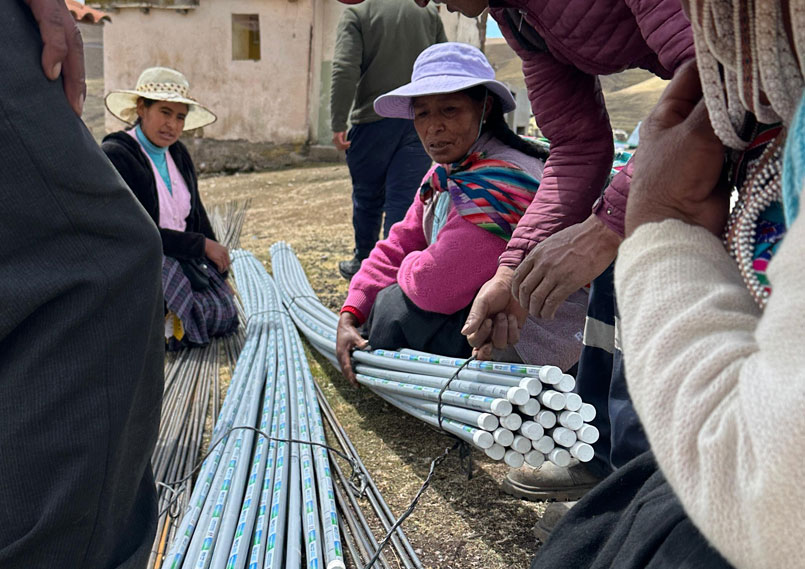
Con Corazón provided essential materials such as plastic roofing, nails, planks, plastic tubes, iron, nets, and metal wire. Thanks to this collective effort, each family built their own greenhouse and chose which vegetables and medicinal plants to grow, based on their needs and preferences. The initiative not only strengthens local food production and self-sufficiency but also reinforces social cooperation and community ties in the high Andes.
Economic opportunities
Some greenhouse beneficiaries chose to grow strawberries besides all the vegetables, taking advantage of the favorable conditions these structures provide. This new crop diversifies agricultural production and creates income opportunities for families. Selling strawberries in local markets will help generate additional income, improve household economies, and foster rural entrepreneurship enhancing both the project’s sustainability and community development.
Coordination strategy
Dino Cruz, our health promoter at the Marampaqui Medical Center, played a key role in project follow-up. Riding his motorcycle, he visited each beneficiary to monitor progress and offer technical and motivational support. He also organized regular coordination meetings, ensuring smooth communication among participants. Thanks to his close relationship with the community, he successfully encouraged responsibility and commitment, motivating families to meet their goals.
Conclusion
The greenhouse initiative has proven to be an effective strategy to strengthen food security, improve nutrition, and promote sustainable agriculture under extreme climate conditions. Beyond providing fresh food year-round, it has fostered community participation, shared responsibility, and empowerment, especially among women and single mothers. The use of local materials and appropriate technology ensured adaptation to Andean conditions, guaranteeing durability and functionality.
This experience shows strong potential for replication in other rural Andean regions or areas with similar geographical and climatic challenges. With proper training, technical support, and collaboration with local governments or partner institutions, this model can reach more communities. Ultimately, the greenhouse project stands as a sustainable local solution to climate change and poverty and as an inspiring example of how community-driven initiatives can improve the quality of life for vulnerable rural populations.
November 2025

Empowerment Thanks to Fair Trade
ExpiredThis report, for example, tells the story of how the collaboration between Con Corazón and El Tucan came about. Incidentally, this Fair Trade company is also celebrating its anniversary this year – its 35th. And the partnership has now lasted for 10 years. In an interview, Fabio Höltschi shared a lot about the development, life on site, and about El Tucan, which was founded in 1990 by his parents, Peter and Brigitte.
Knitters
How It All Began
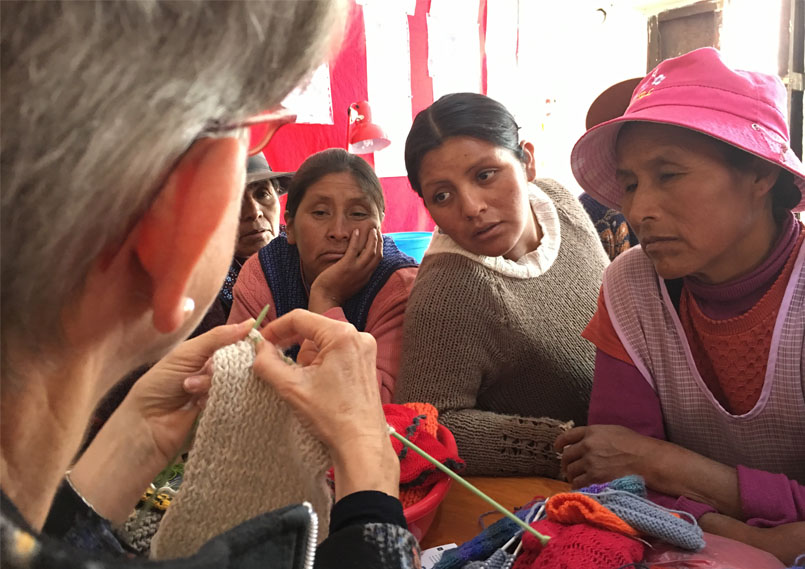
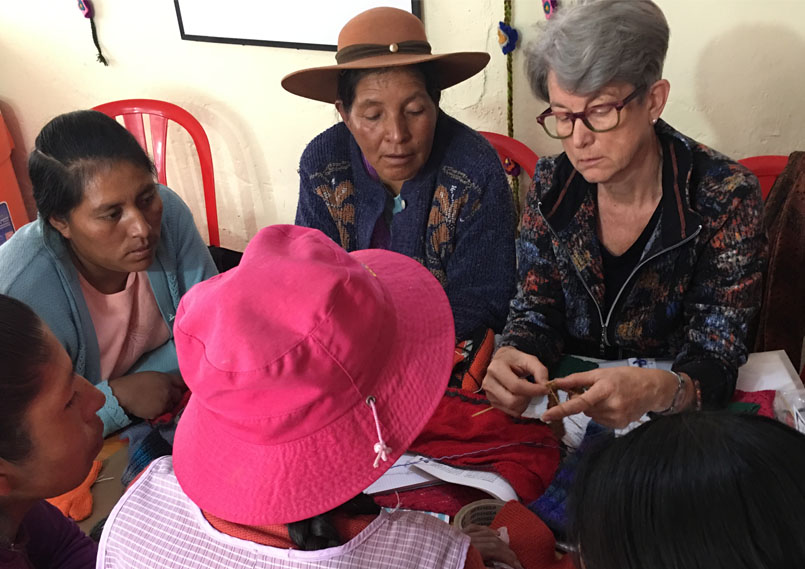
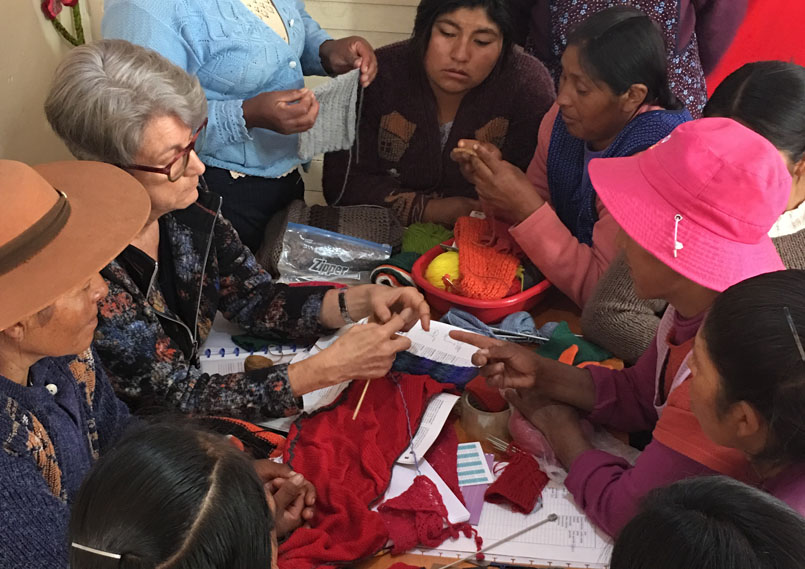
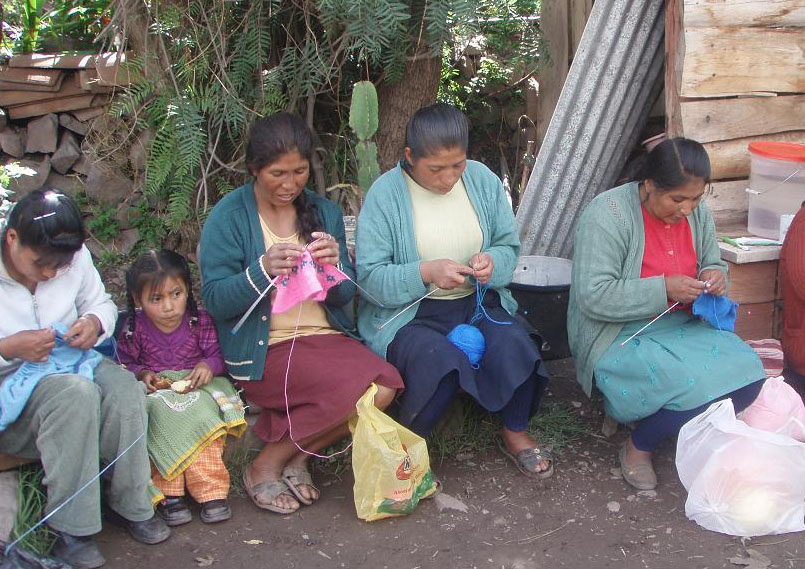
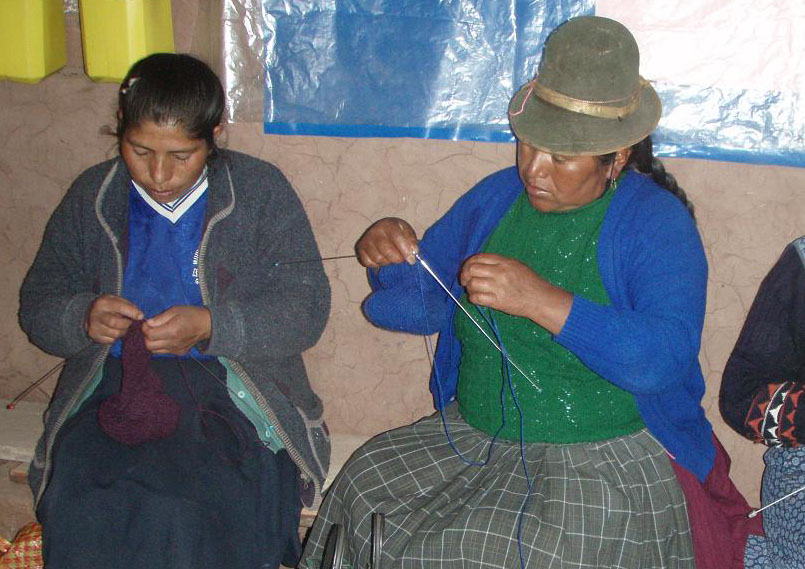
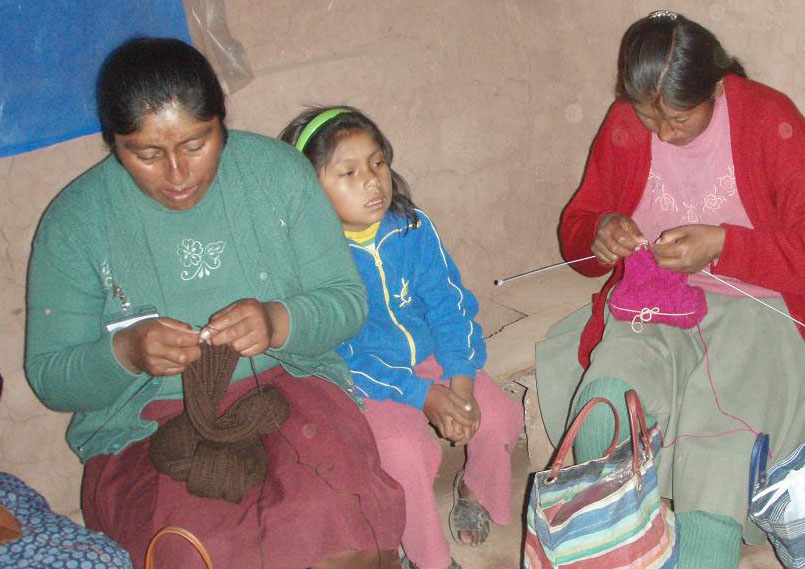
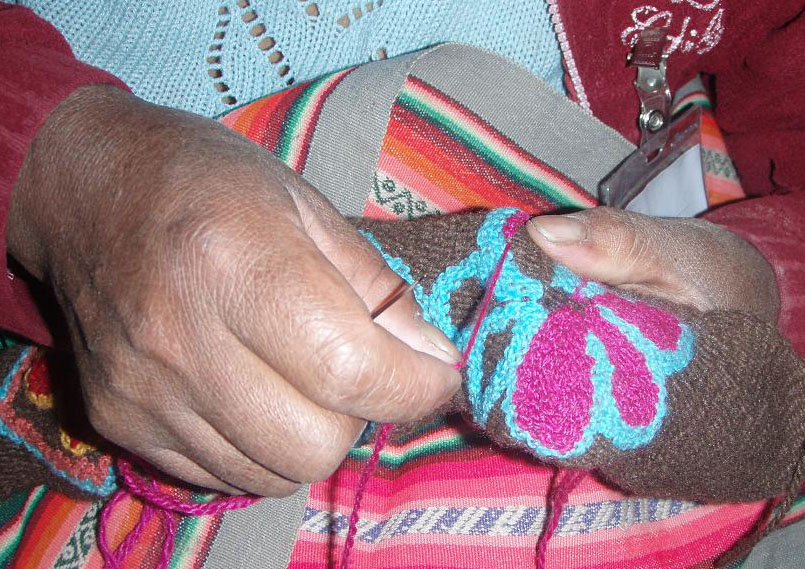
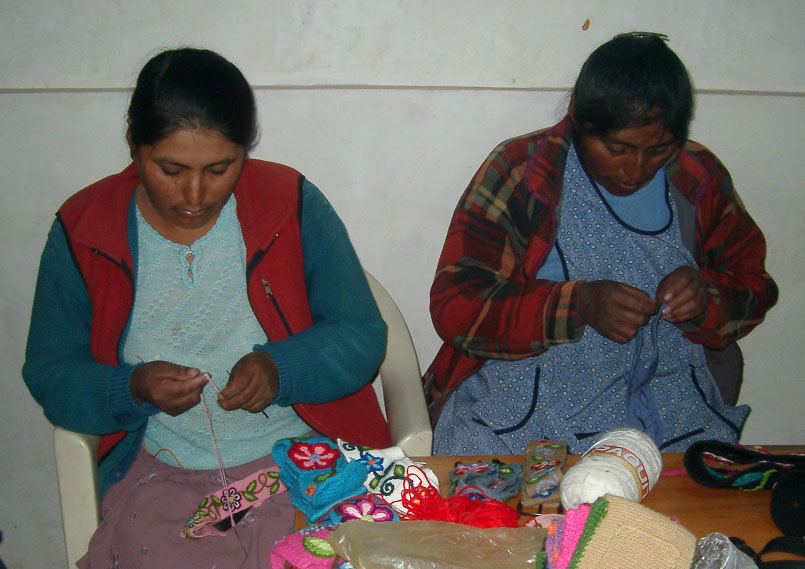
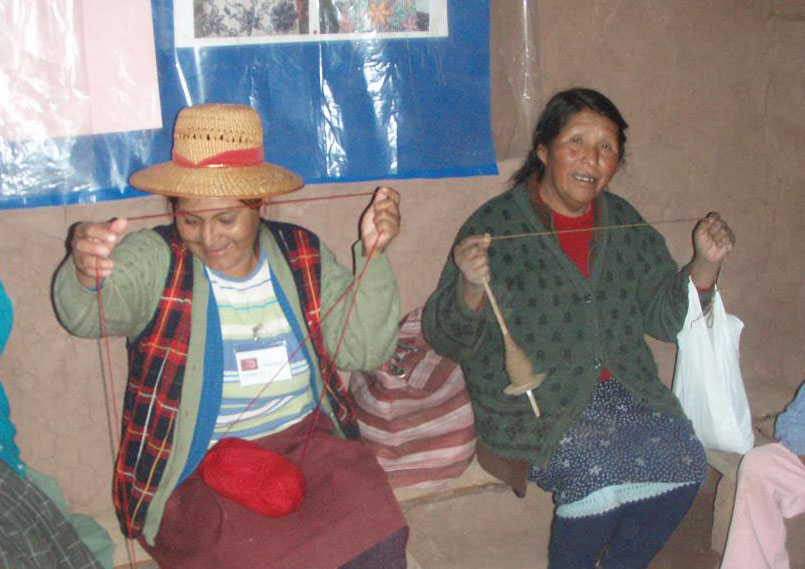
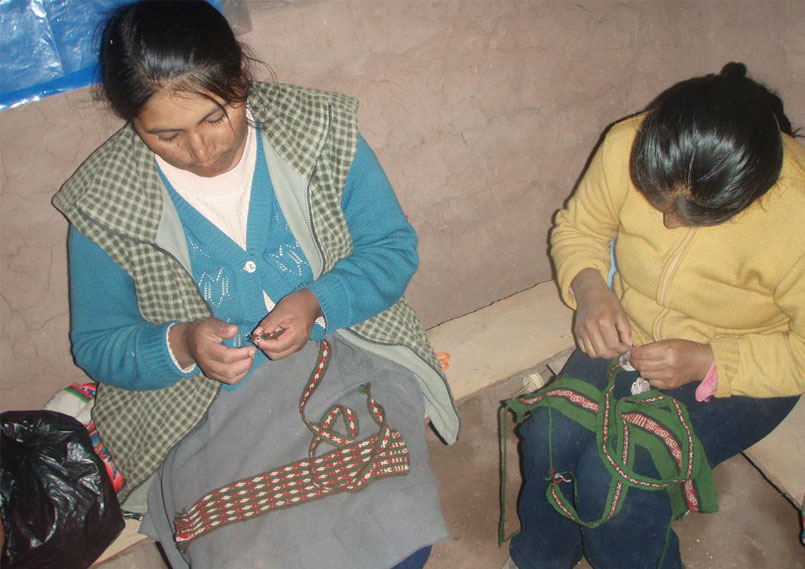
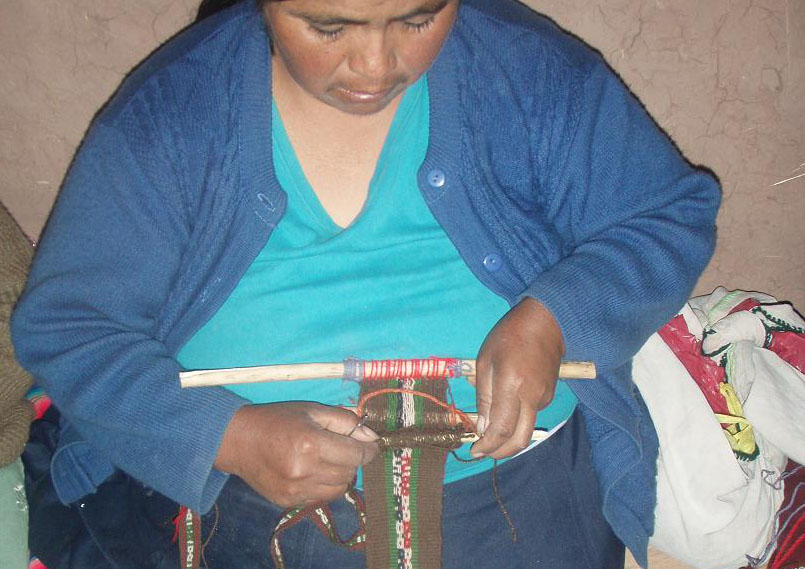
Fifteen years ago, at the founding of Con Corazón, the first hand-knitted items were created. It was a case of “helping people to help themselves.” Under the guidance of Doña Katharina (Katharina Turkier), the mothers learned to knit and crochet
However, it quickly became clear that 20 stitches and 20 rows looked different for everyone. So Doña Katharina introduced the knitting sample. She showed the knitters how to compensate for differences, for example by using thicker or thinner needles. The knotting sample became the foundation for calculating new, marketable accessories. The first pot holders were made and were initially sold independently in Switzerland.
Workshop
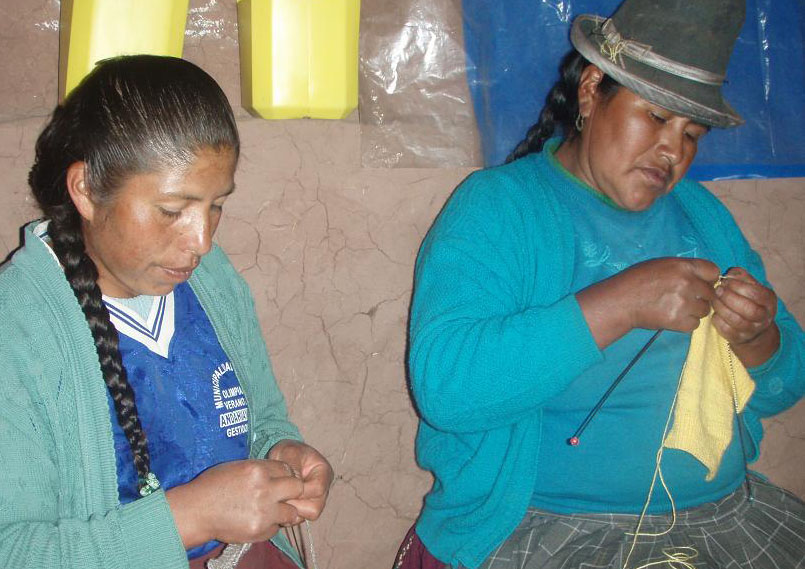
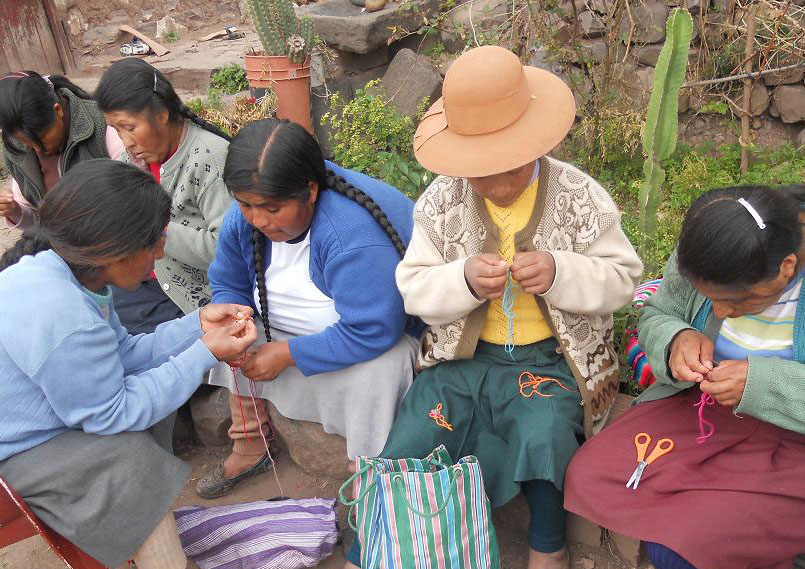
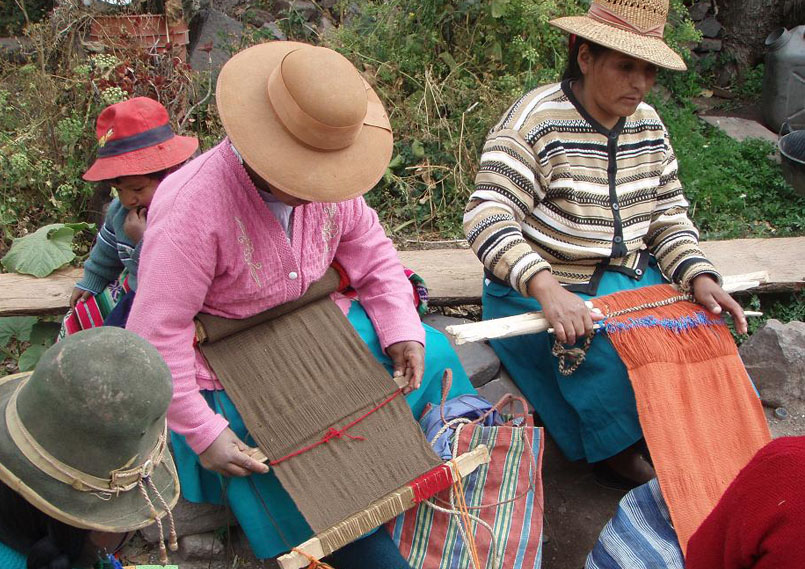
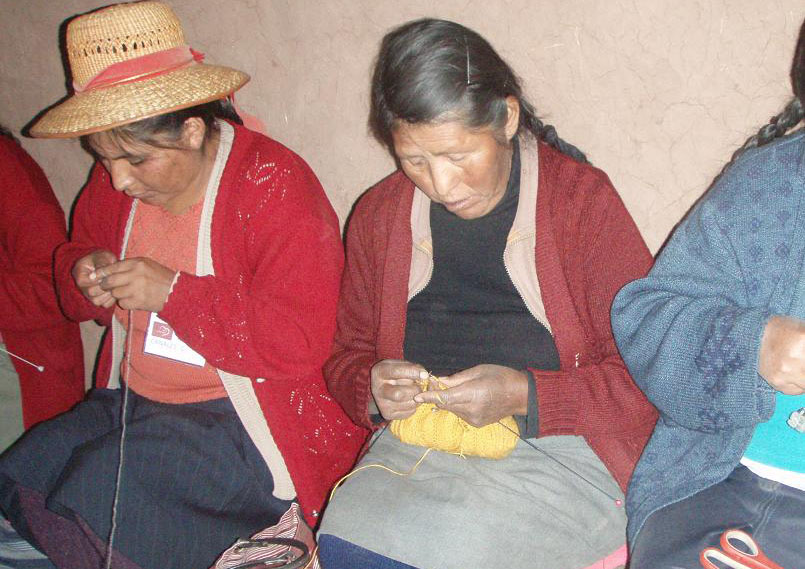
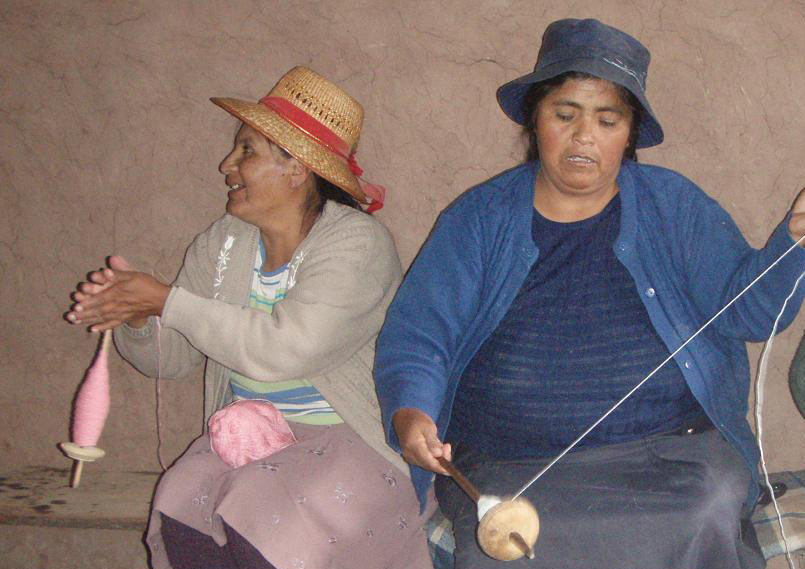
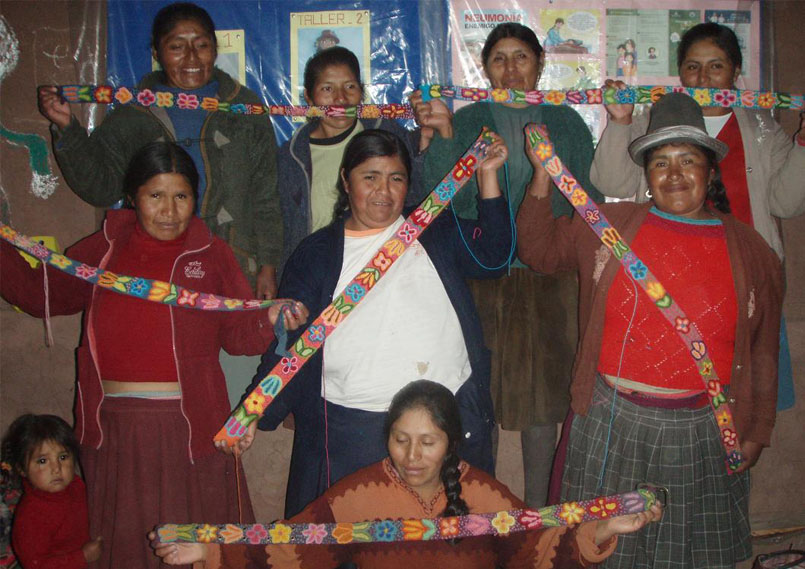
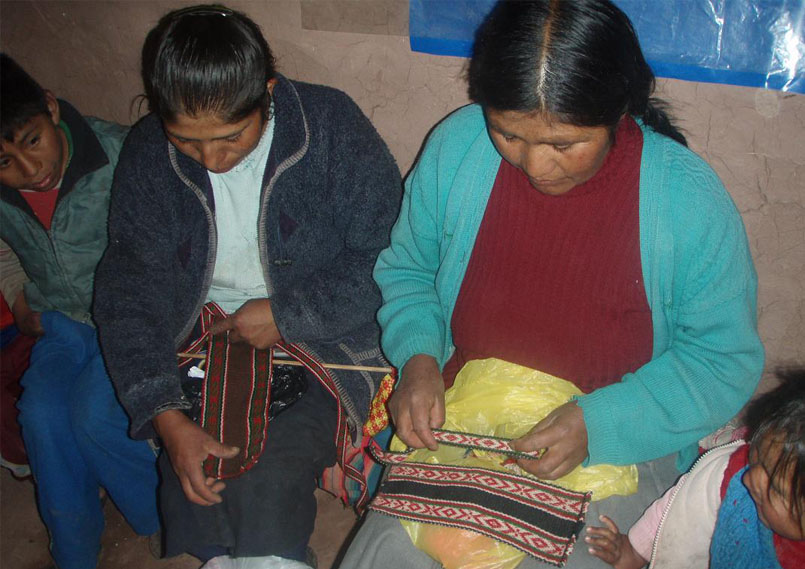
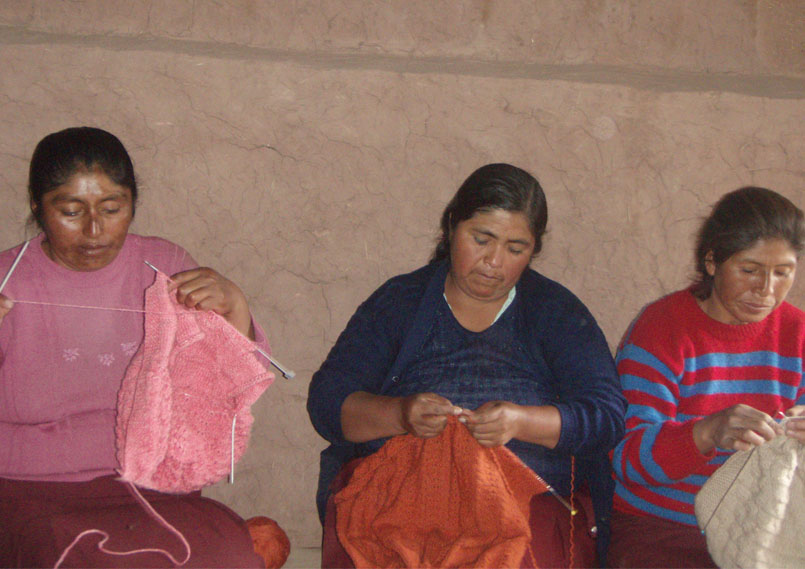
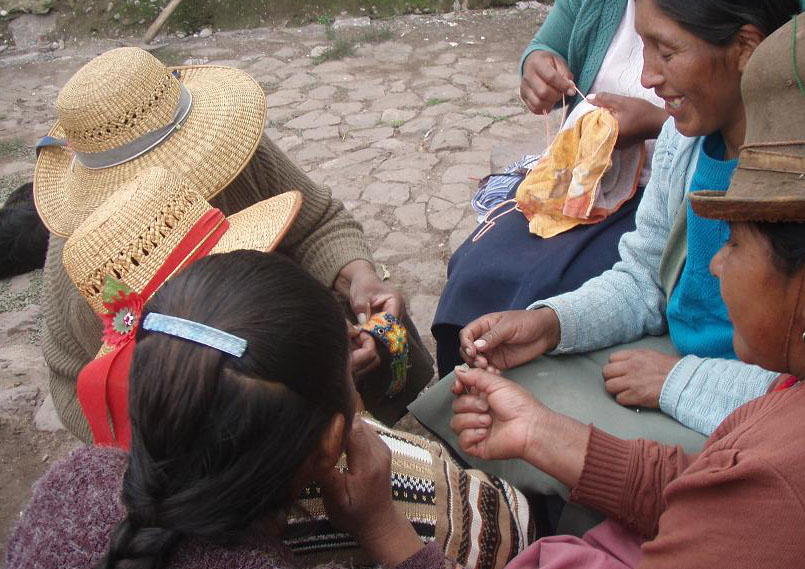
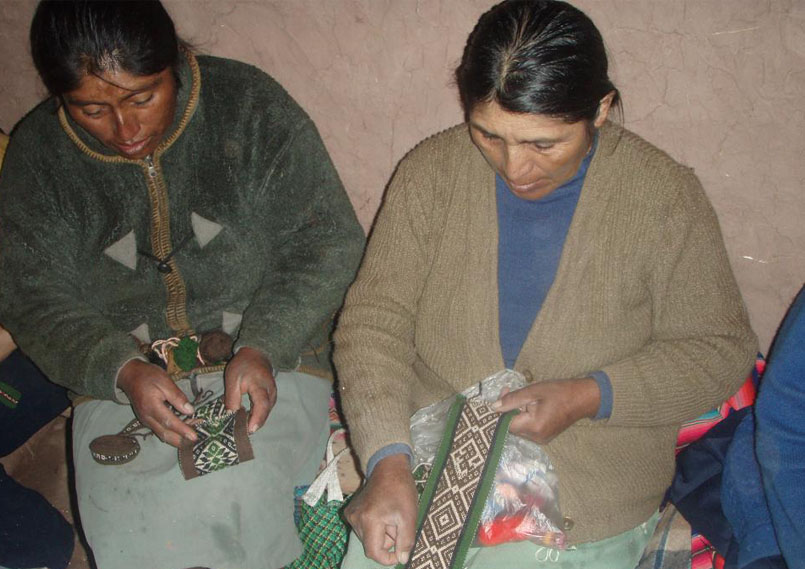
Currently, five women work for Con Corazón, although the number fluctuates depending on the order volume. They knit in the production facility in Piñipampa. There, they enjoy a relaxed, cheerful, yet focused working environment. All of them are career changers. Tools are available in the form of knitting and crochet needles, knitting machines, and, of course, the raw material: alpaca wool. Occasionally, the women also work from home – depending on what suits them better. This allows existing family structures to remain intact.
Working at Con Corazón is very popular and sought-after. The women earn above the standard rate, with reliable wage payments. There are no plans to expand the team. Any further development must happen organically to ensure sustainability. Products must also find buyers. Team dynamics could be disrupted if the workshop were to grow excessively. Growth must be manageable – not growth for growth’s sake.
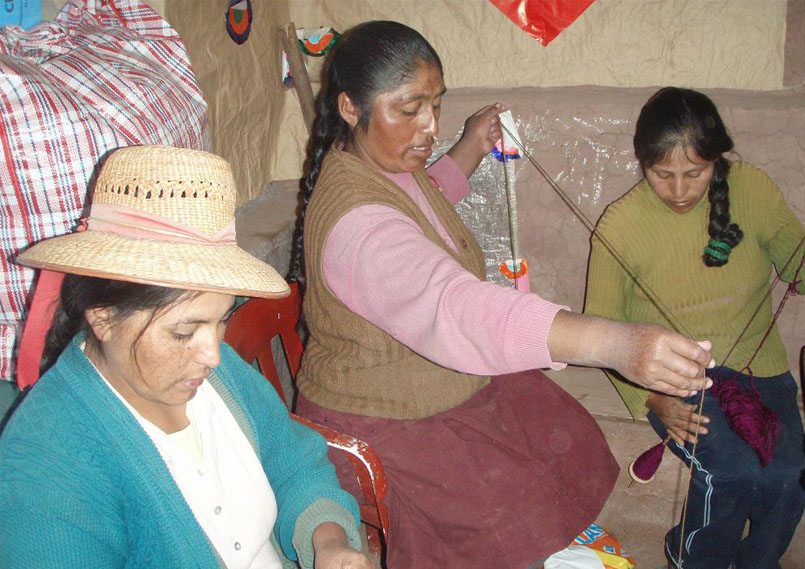
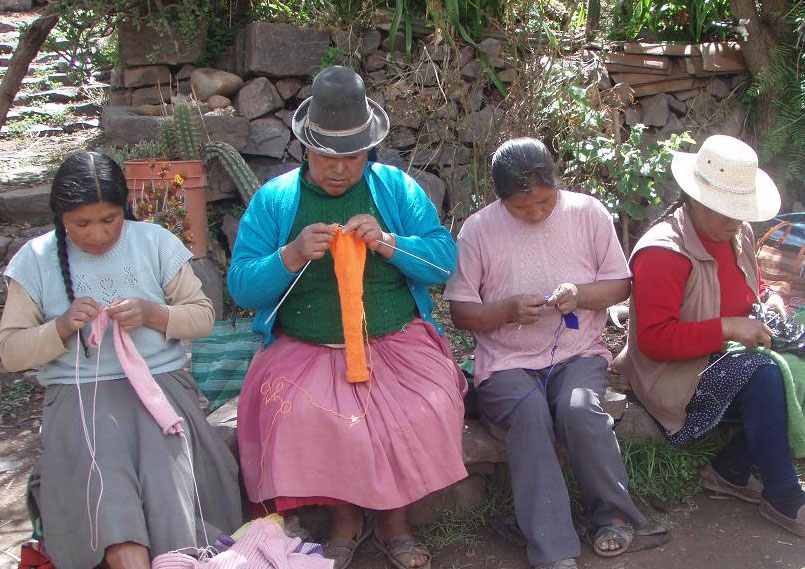
Industrialization «light»
Even in the Andes, “industrialization” hasn’t come to a halt – knitting machines were quickly acquired. Fabio Höltschi from El Tucan, a knitwear expert, teaches the women how to use the new equipment. He shares his extensive knowledge, shows them little tricks, and discusses patterns and colors with them. With practice and learning, the mothers quickly see their progress – and joy grows! Personal successes are mutually appreciated.
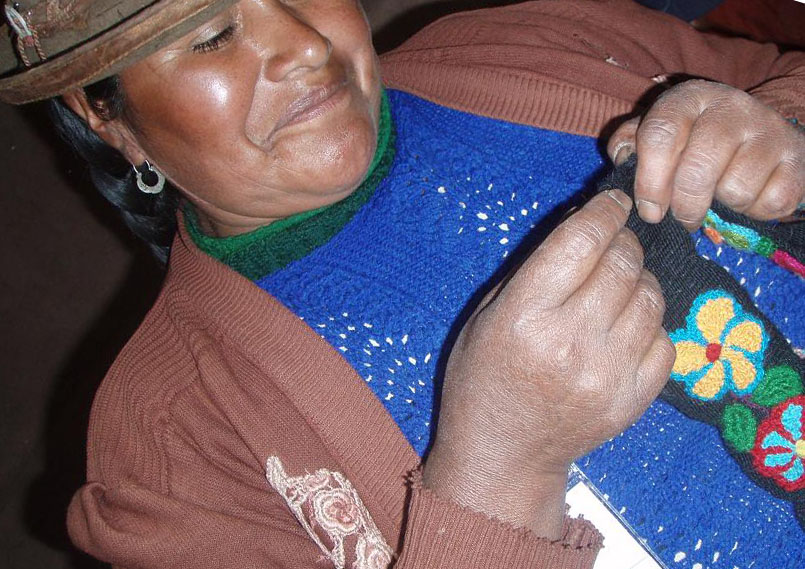
Today, the focus is mainly on accessories in various designs such as wrist warmers, caps, scarves, as well as simple garments.
Corona Break
The break in the regular visits due to the pandemic made it especially interesting to observe the development. El Tucan noticed significant progress. On one hand, there has been a slow professionalization and structuring of work processes, and on the other, improvement in collaboration. Previously, all knitting was done by hand, there was no quality control, and continuity was difficult. So, optimization became essential. Unlike before, the knitters can now produce many more caps, thanks to their skill and practice. The mothers experience a sense of achievement – and that makes them very proud.
Design
Latin America uses a different color palette compared to Europe – but it works all the same. The women are open to suggested and requested color combinations. In turn, we Europeans are also drawn to colorful pieces, which offer a sense of vitality in winter. Stereotypes are meant to be overcome.
The women are open to new products – currently, for example, simple garments. From a technical standpoint, these pose challenges. They recognize these challenges themselves. But when the details are explained, they begin to understand. Overall, they are eager to learn and want to progress.
When Fabio wants to introduce a new product, he simplifies it to match their skill level or sends a sample. The women in Peru then provide feedback on how they perceive it and how they could produce it. Ideas also come from Peru – the collaboration works well. New opportunities and perspectives are opening. Confidence is growing steadily – independent action is gently encouraged and nurtured through the question: “How do we get there?”
Material Alpaca
The women work exclusively with alpaca wool. Alpacas live throughout the Andes region—around 80% in Peru, Argentina, and Chile.
El Tucan has been importing alpaca wool since 1989, making it one of the oldest providers of alpaca knitwear in Switzerland. The Höltschi family has built a close relationship with the producers and quickly realized the importance of collaborating with the two existing alpaca spinning mills. They even develop yarn according to their own ideas and preferences. In Cusco, there are also two shops where Con Corazón can purchase small amounts of wool directly. El Tucan handles the pre-financing. In this way, they also take on social responsibility, something that became particularly evident during the pandemic. El Tucan anticipated the situation, and the mothers continued to produce even when there was no demand from El Tucan.
Marketing
By now, the women understand that, as producers, they need to respond to customer preferences and that sales success is tied to this. With good sales revenue, the mothers can afford better schooling for their children—which motivates them greatly. Some are even able to purchase their first cooking stove. They know: if I produce more and save a little, I can afford something. They are joyful—the collaboration is working well.
El Tucan maintains weekly phone contact. Ana, a founding member and originally responsible for the organization, is now the key link between the mothers and El Tucan as well as Con Corazón.
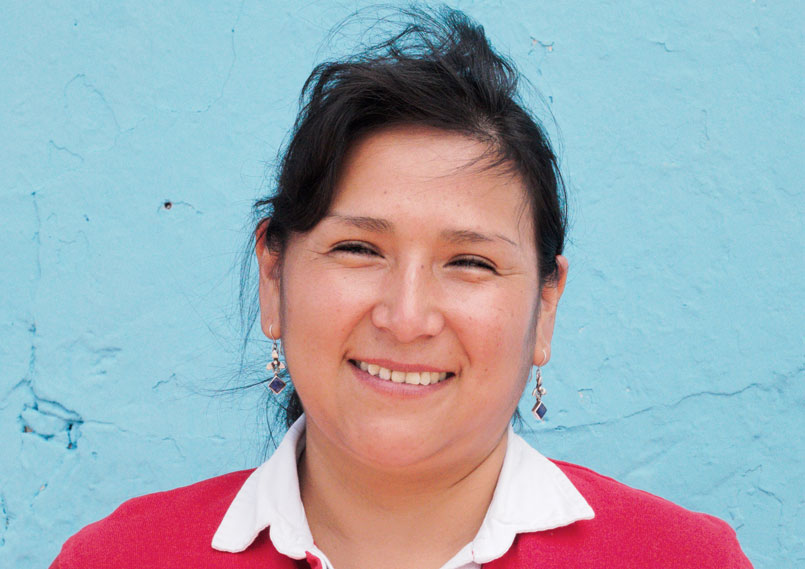
El Tucan – On Track for 35 Years!
The knitting sample, which was the foundation for the knitters in Piñipampa, also symbolically represents the development work of El Tucan and its collaboration with Con Corazón. To build a long-term and sustainable partnership, it’s important to break down complex issues to the basics and the essentials. This enables the creation of a shared product—on equal footing and with mutual understanding.
Who’s Behind It
El Tucan was founded in 1990 by Peter Höltschi and his wife Brigitte. From the very beginning, the focus was on direct exchange with producers. In the meantime, the second generation of the Höltschi family has also joined the company. The number of employees has grown significantly in the various countries. In this sense, El Tucan acts as a bridge-builder, giving producers direct access to the Swiss market without going through intermediaries.
Since its inception, the Höltschi family business has put into practice what corporate responsibility initiatives and supply chain laws now demand: honest dealings with all involved. They place great value on fair compensation for producers and ensure that direct cooperation results in greater local value creation.
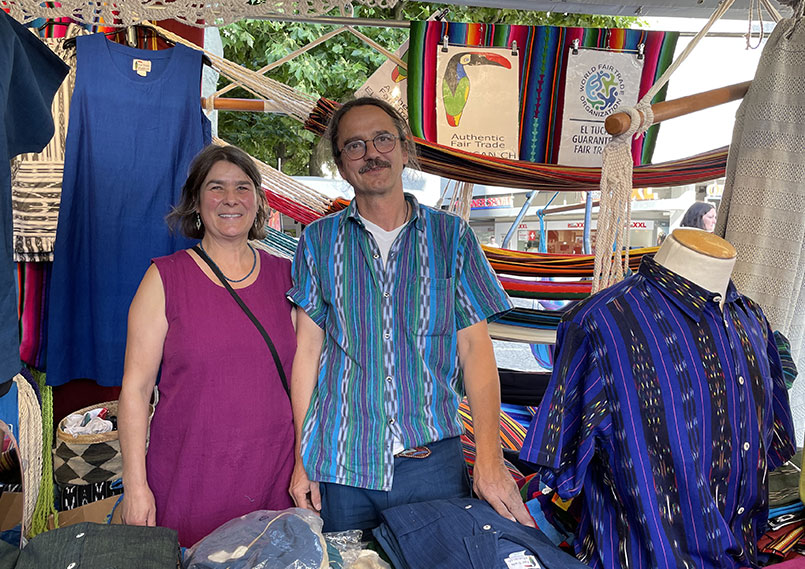
While Con Corazón focuses on social engagement, El Tucan is committed to the economic side—since no middlemen are involved, everyone benefits: The knitters receive higher wages, El Tucan produces unique products, and customers enjoy fair prices. A win-win for all!
Fair Trade
Fair Trade products were originally purchased by idealists. It didn’t matter, for example, how the coffee tasted. What mattered was the intention to do good and to purchase products at fair prices. Since then, customer needs have evolved. What was once considered a “nice to have” is now, fortunately, more widely understood as essential—true sustainability and meaning only arise through cooperation.
El Tucan works with women in Guatemala, Bolivia, and Peru—primarily producing clothing. In Mexico, the popular hamacas (hammocks) are made. The Höltschi family visits the production sites once or twice a year. The collaboration with Con Corazón began exactly 10 years ago! Danièle Turkier sent an email to El Tucan. Coincidentally, Peter Höltschi was in Peru at the time and visited the workshop in Cusco. Destiny?
Today, El Tucan is responsible for product development, design, and coordination in the textile sector, as well as the sales of the beautiful knitwear. These items can be purchased at markets, primarily in the Swiss midlands (Aarau, Bern, Biel, Jura, Valais, etc.) and via the webshop.
Culture in the Andes
Family Life
In rural areas around Cusco, Peru, very traditional family structures still prevail. Living conditions vary greatly. Many men work in the informal sector—for example, extracting clay from mountain streams or producing clay bricks. It's a scene reminiscent of the pre-industrial era, including the presence of child labor.
Europeans often think that South Americans are very open and willing to share their homes. However, aside from two exceptions, Fabio has never been inside someone’s home. A Peruvian home is seen as a very private space, not something to be casually shared. So when a Peruvian woman invites someone into her home, it’s something very special.
The division of labor between men and women remains traditional. The woman is responsible for the family’s well-being and only leaves the house once everything at home is taken care of. Children attend school and are provided with meals there—this is the window of time when mothers can work, typically part-time. The men often lack steady employment. Alcoholism is an issue, as it is in many poorer regions. Children are the heart of the family—and its future.
Near urban areas, many single mothers live independently. They flee rural life in search of work and hope to earn their own income—for themselves and their children.
July 2025

15th Anniversary
ExpiredThe small but excellent Swiss charity is committed to helping people in need in the remote regions around Cusco in the Peruvian Andes. For 15 years now!
How it all began
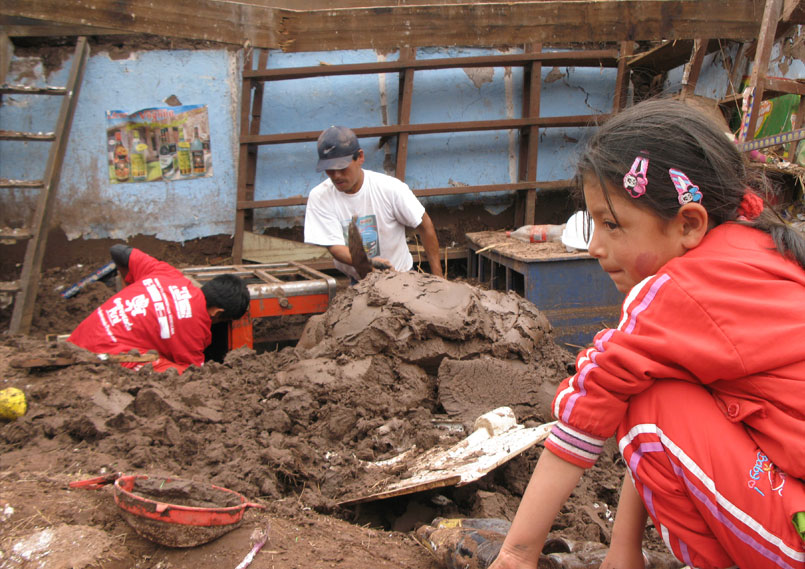
Es begann im März 2010, während der Regenzeit in Peru. Die damals 28jährige Aarauerin, Danièle Turkier, befand sich auf einer sechsmonatigen Weltreise. Ihre Idee war, auf dem berühmten Inca Trail zum Machu Picchu zu wandern. Soweit sollte es allerdings nicht kommen: Erdrutsche und Überschwemmungen stürzten unzählige Menschen in eine grosse Not. Solche Bilder häufen sich leider bis zum heutigen Tag.
It all began in March 2010, during the rainy season in Peru. Danièle Turkier, a 28-year-old from Aarau at the time, was on a six-month trip around the world. Her idea was to hike the famous Inca Trail to Machu Picchu. However, it was not to be: Landslides and floods caused great hardship for countless people. Unfortunately, such images are still common today.
The desperation and poverty of the people affected shocked the young woman so much that she bravely contacted the local Red Cross. She spent the first week sorting clothes and registering the affected families. At the same time, she collected money from her friends and family in Aarau. But what is the best way to use this money? How can unnecessary outflow of money be avoided? She discussed the matter with three local friends from Cusco: Ana and Sonia (both nurses) and Juan (psychologist). The idea of her own aid organization germinated and became reality. The first donations in the form of salt, pasta, rice, oatmeal and sugar were given to families from the community of Piñipampa, one hour south of Cusco. This location was chosen because the people there were already well organized and contact persons were available. Until then, however, the population had received only meagre support. The foundation stone for our own NGO Con Corazón was laid.
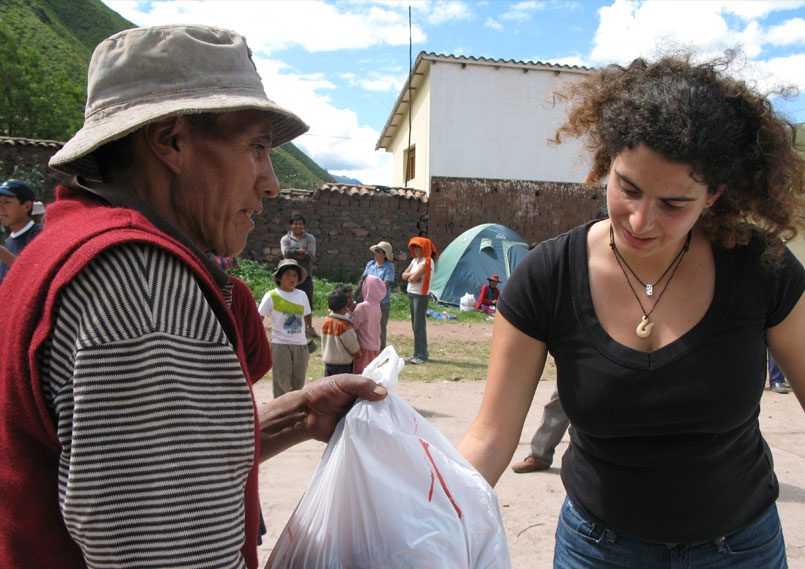
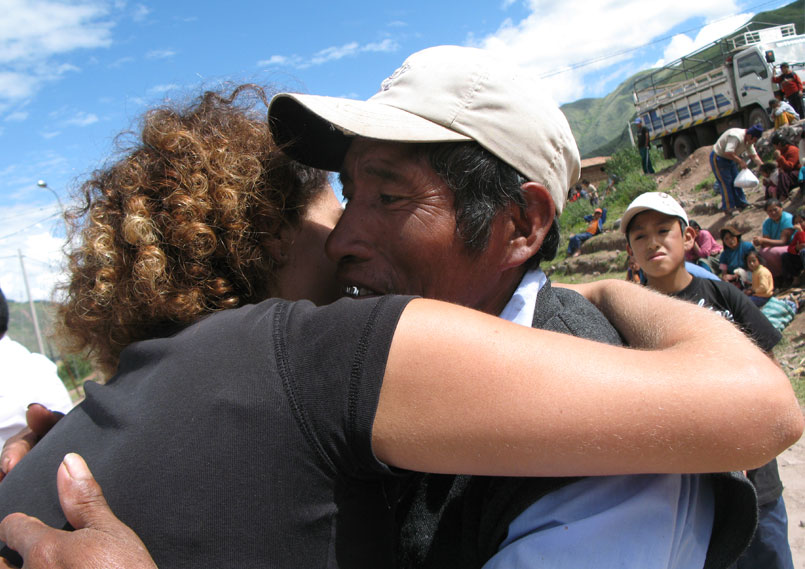
After her return to Switzerland, Danièle Turkier coordinated her help via the Internet. She was in daily contact with her local supporters whenever possible. The three Peruvians operated from Ana's home. They regularly supported the population in Piñipampa and brought food, clothes and medication to those in need. The focus was and still is on people's health. The climatic conditions are challenging. Winter in the highlands begins in June and brings fairly low temperatures averaging 0° Celsius at night. The high humidity and the poorly insulated and heated interior rooms make it feel much colder.
Danièle Turkier quickly built up a network thanks to her communicative talent. On the one hand, she succeeded in generating the financial resources to implement the vision. She also managed to organize the work of her teams in Peru and Switzerland. She is still aware that without like-minded and committed people, such continuous support in Peru would not be possible. Her mother, the well-known former restaurateur Katharina Turkier, took Spanish lessons in 2010. She really wanted to understand all the receipts issued in Spanish, because she took over the accounting! This and the controlling are still her tasks at Con Corazón today. She was also practically active as a pioneer for the “mamas”, the knitters in Peru. She used her knowledge to teach the women how to knit. In this way, they can regularly help to improve the families' income - helping them to help themselves. Under Ana's direction and responsibility, accessories such as wrist warmers, scarves, hats and headbands are currently being produced. Development has also taken place here. Today, even knitting machines are in use - this handling also demanded some enthusiasm from the “mamas”. The unique items made from pure alpaca wool are distributed by the Swiss fair trade retailer “El Tucan”. The first-class creations can be purchased at markets and via the web store.
In Peru, Danièle Turkier is now receiving great support from Dr. Saulo Gamarra's team. She got to know him and his dental practice through his own NGO “Dentist Serving the Poor - Latin America” (DSP-LA). This was later integrated into Con Corazón. He is a dentist and the current director of Con Corazón in Peru. Thanks to his in-depth expertise and shared convictions, he implements jointly developed ideas and contributes his know-how. The Medical Center was established in 2016 thanks to the financial support of the Rotary Club of Aarau. Here, people can find support for dental and medical problems. This provides underserved communities with important medical services. This improves access to healthcare. The service also includes a simple laboratory and a pharmacy. Trained medical staff treat common diseases, offer preventative measures and educate the population about hygiene and health practices. They are also constantly learning that they can take care of themselves. The sense of responsibility increases.
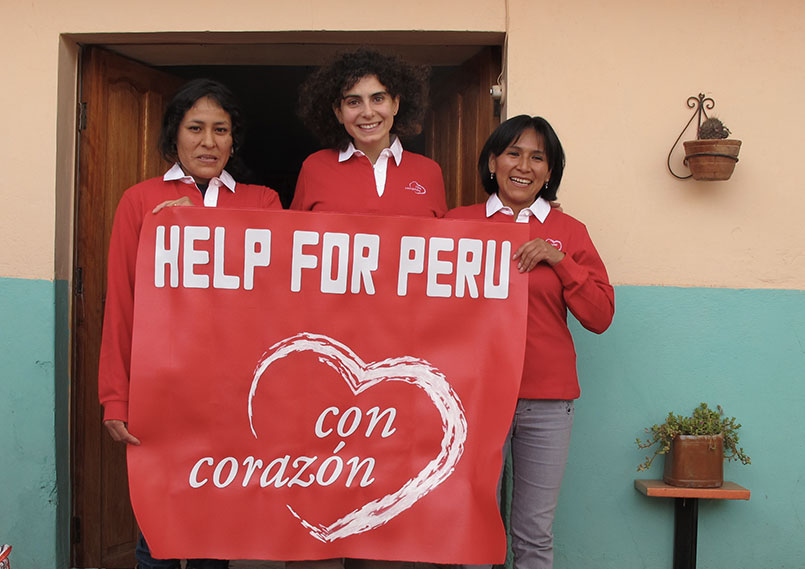
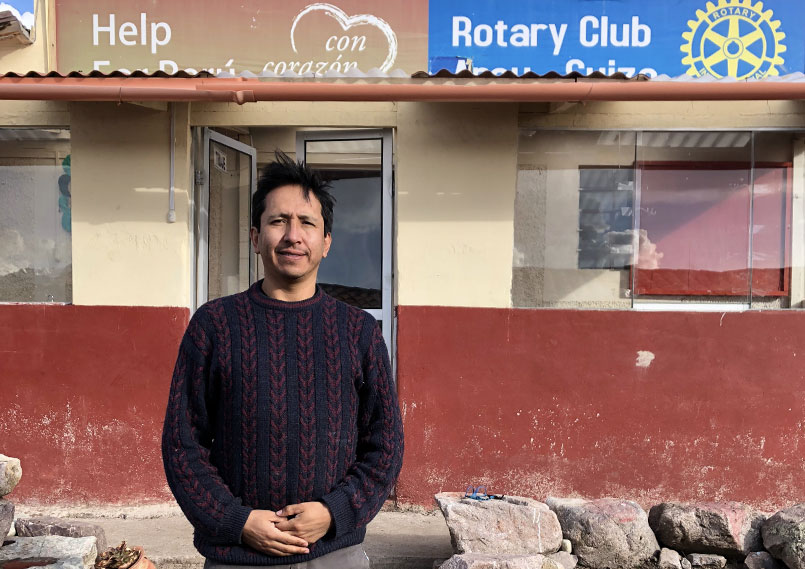
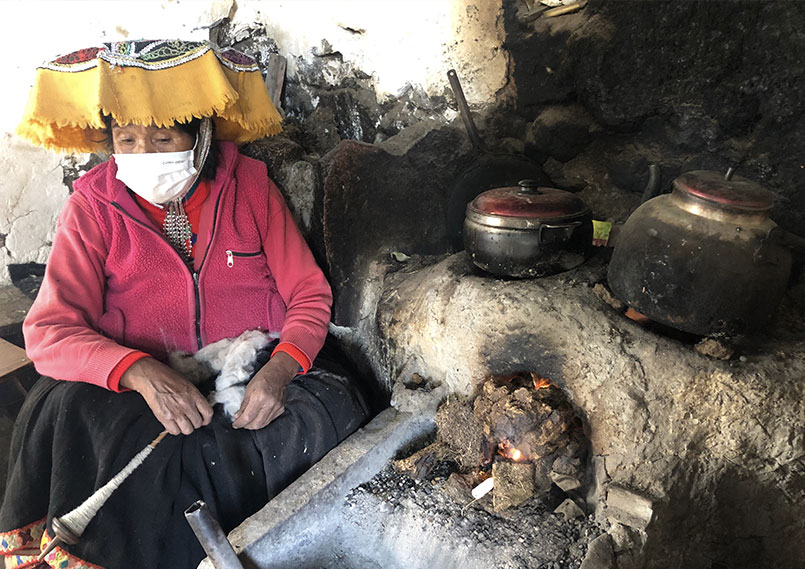
The installation of smokeless metal stoves goes down in history as another milestone. It is an innovative solution instead of the conventional open-fire cooking method. It reduces indoor air pollution and exposure to toxins that cause respiratory diseases. This project was also realized thanks to the Rotary Club Aarau.


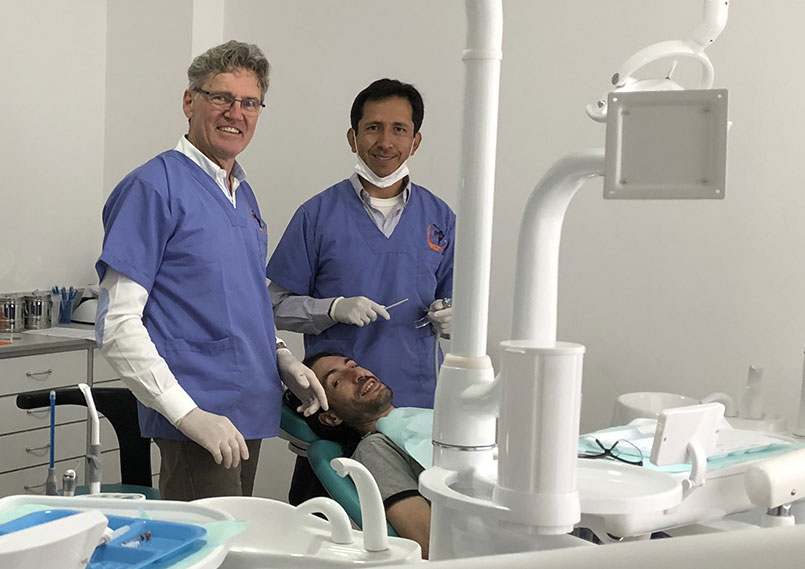
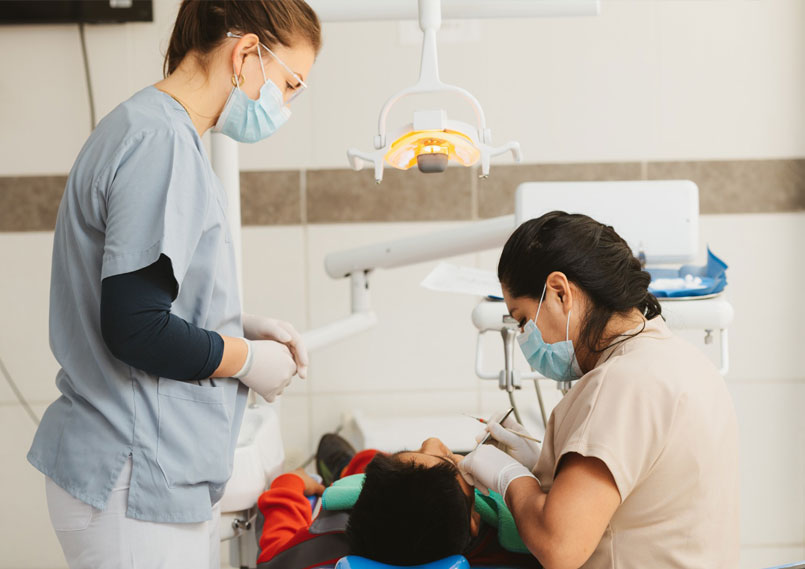
In 2023, a major expansion step was taken with the mobile dental clinic. This was made possible thanks to the generous support of sponsor Ivoclar. On the occasion of its 100th anniversary, Con Corazón became part of the Ivoclar Joy program. The mobile dental clinic travels to rural and marginalized population groups. Services such as prevention, cleaning, fillings, extractions and oral health education are the basic services offered here. Volunteer dentists, dental assistants and volunteers from different backgrounds work tirelessly.
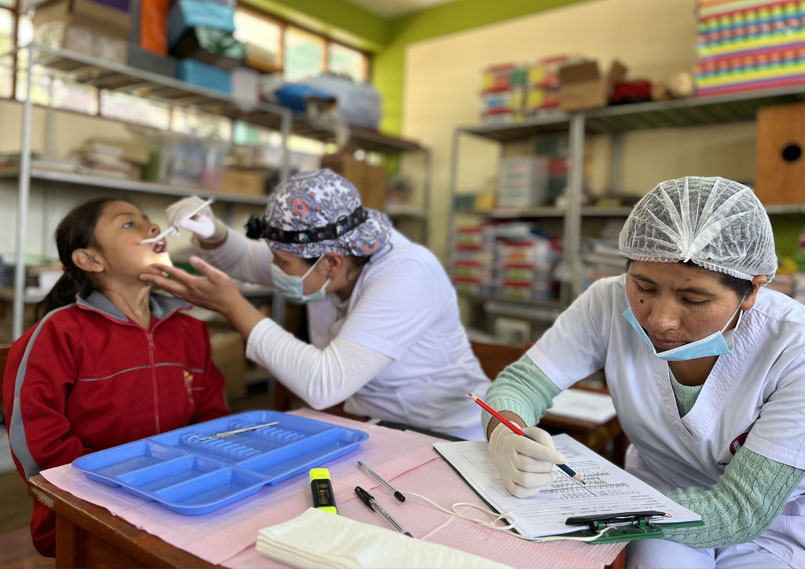

Con Corazón is currently devoting another important topic to healthy nutrition. Almost 50% of Peruvian children under the age of five suffer from anemia. Nutritious meals are offered in local schools. To combat malnutrition, children and their families are taught to prioritize the intake of iron. Knowledge about the cultivation of pulses, fruit, protein and vegetables is also transferred as far as possible.
Con Corazón acts as an NGO. People from industrialized countries who want to volunteer in the Peruvian Andes are very important, as they bring expertise, resources and new perspectives to the local communities.
2024 was a year of consolidation. The programs were strengthened. The work in the local communities deepened. It is exciting to see that the efforts are bearing fruit. Of course, there have been and will continue to be challenges that need to be overcome. Con Corazón is dependent on financial support in order to continue its work. Every contribution helps to expand efforts in the areas of health, nutrition and sustainable development. Donations large and small are very welcome.
Various local activities are planned for 2025, the anniversary year.
January 2025

A Dream Came True
ExpiredMy time at Con Corazón made my Peruvian experience special, autentic and unforgettable. The aim of my sabbatical as a teacher was not just to travel, but to really get to know a country, its people, its culture and its language.
Volunteering at Con Corazón helped me to fulfill this dream!
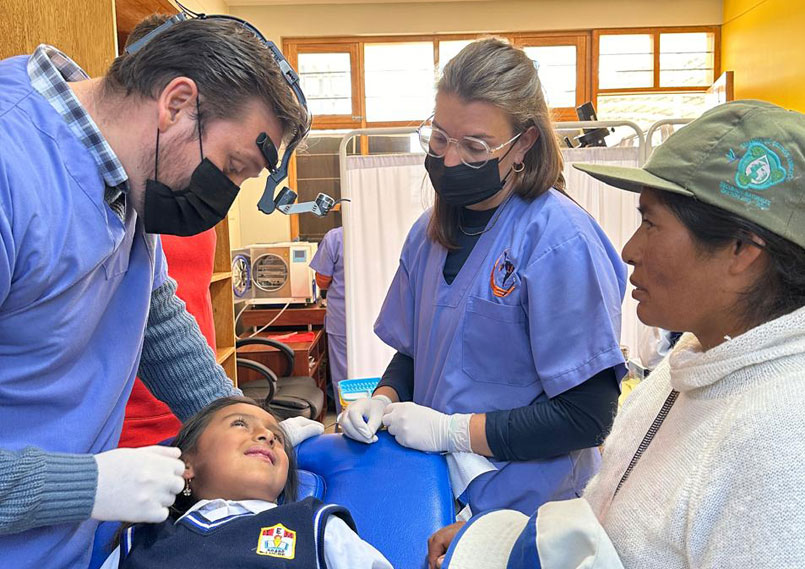
I arrived in Peru traveling with friends. As soon as I came to Cusco, I realized that I would like to stay longer to immerse myself more deeply in the culture of the country. I was looking for an organization which is engaged in Health Promotion and I got in touch with Saulo from Con Corazón. The communication was easy and friendly, so just 3 days later, I joined the team for the first time to go to Marampaqui - my first incredible experience there! Two times a month the whole team takes a 3-4 hour drive (one way) to reach the village Marampaqui - with very less infrastructure - to provide dental and medical support there. I was able to get an idea of the great work being done there and I was able to help with the documentation of treatments and health promotion in the form of health talks.
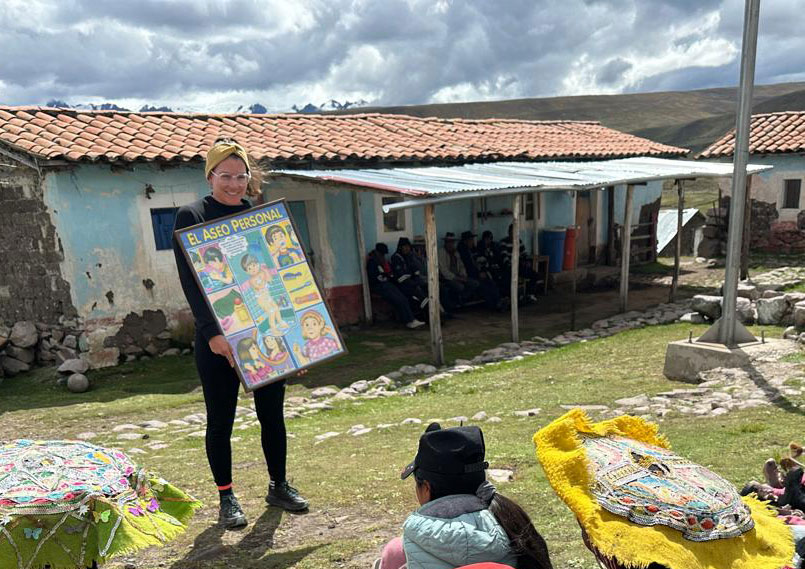
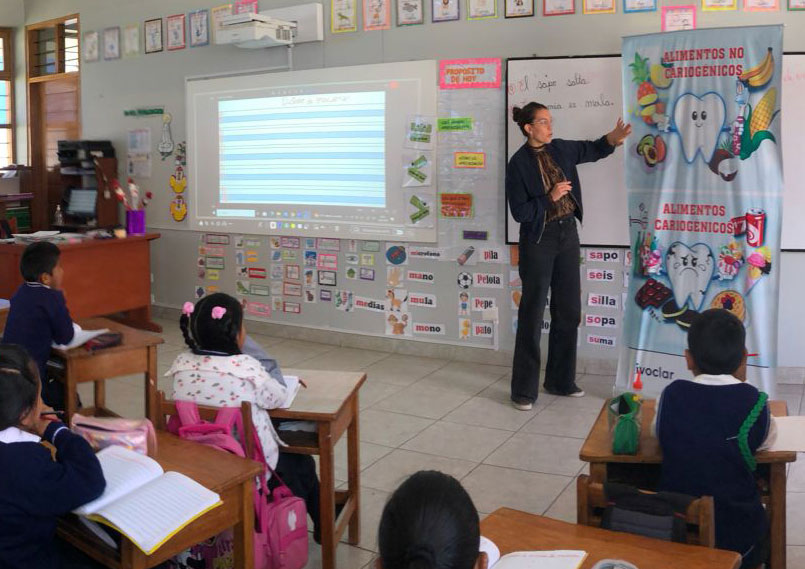
The biggest challenge but also the greatest achievement for me was giving small "charlas" - like short health talks - in two schools. I'm very grateful that Con Corazón gave me the opportunity to talk to the students from grades 1 to 6 about the importance of healthy nutrition and hand hygiene.
How did I get there?
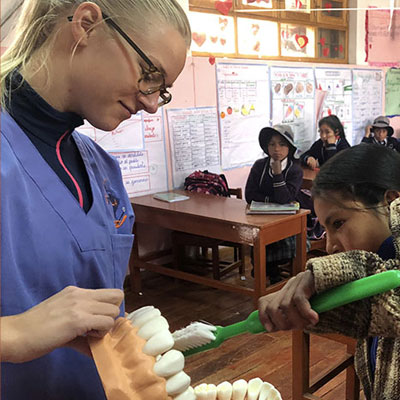
In my first week at Con Corazón, I was able to join one of the dentists talking to the students about the importance and the correct way of brushing their teeth. As a teacher for health education, I would have been more than able to support Con Corazón with all sorts of Health Promotion, but my Spanish was very basic at this moment that's why I didn't dare doing the talks on my own. But - just one and a half weeks later - my Spanish improved and my confidence increased, so I did my first own charla! Saulo supported and pushed me to do this - and I'm more than happy that he trusted in me! It was a great and valuable experience - I guess for both sides, the students and me.
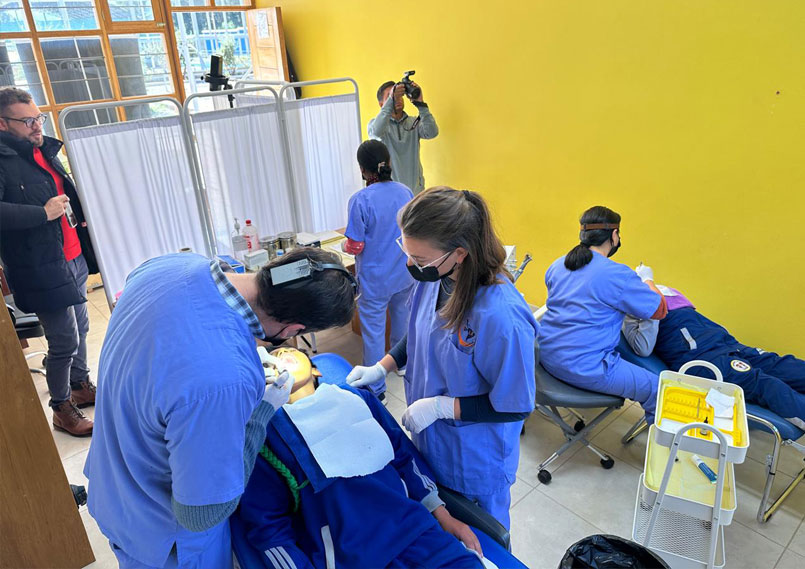
I also really enjoyed the daily work in the dental clinic assisting the dentists. Here too, the first week was a challenge, as I was not familiar with the specific terms used in dental treatment - especially not in Spanish.
But I learned quickly and in the second week I was able to support one of the dentists at the dental campaign on my own. This was another great experience. Con Corazón organized a great campaign with several dentists to treat a large number of students coming from poor families at the same time.
As a teacher for health education, it was amazing to see how health promotion can be realized in different projects - with a lot of passion and with heart!
Thanks to all the people from Con Corazón who integrated me so well! From the beginning to the end I felt like a part of the team!
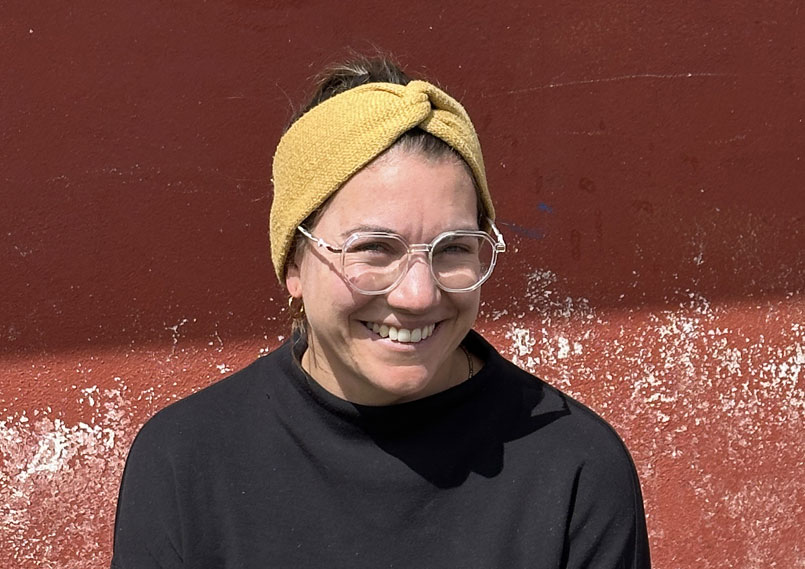
Michaela
August 2024

Team Work in our Organization
Expired“I enjoy the collaborative environment in my workplace. Working with talented and supportive colleagues not only boosts productivity but also makes each day enjoyable.” says one of our employees.
At our organization, we understand that success often comes from effective team efforts. We believe that stepping out of our comfort zone and still achieving our goals motivates us to take the next step. When people collaborate and support each other, drawing on their diverse skills and perspectives, we achieve more than any one person could achieve alone. Accepting uncomfortable tasks is a sign of growth and innovation, pushing us toward greater achievements. It's about encouraging each other to take risks, try new approaches, and learn from failures. By fostering a culture that values teamwork and wants to go beyond comfort zones, we create an environment where both personal and organizational success thrive.
Most of the members of our organization are dentists. Some of them perform functions other than those for which they have been trained. Through group and individual training meetings, we were able to convey to them the tasks we want them to perform. These new tasks were received with enthusiasm, as they took them as a challenge that encouraged them to learn more. The rest of the team also fulfills roles outside their profession which complements our plans and goals.
For example, we are incredibly proud of one of our staff member, who recently became a dentist and got to studied a master's degree in Public Health Management, for her remarkable dedication and skill in managing three critical roles within our organization. Balancing the responsibilities of an administrator, project coordinator, and receptionist requires lots of different skills to fulfill the work and a strong work ethic, which she consistently demonstrates. Her commitment to excellence serves as an inspiration to us all, showing the impact of hard work and dedication to achieving success on multiple fronts. She knows the public health terminology and activities of all the projects we carry out. When necessary, she also performs dental cleanings at the Cusco Dental Clinic and the Marampaqui Medical Center. One of the things she is passionate about is caring for animals, especially when she brings food for abandoned dogs in the city and in the countryside. This kind of things encourage us to be a better person.
Being culturally sensitive
Another interesting case on our team is that we have a nurse and a health promotor who culturally understands their patients and we believe that they are a model of compassionate care. By recognizing and respecting diverse cultural backgrounds, we foster trust and understanding in our patients, which are crucial to effective healthcare. Their sensitivity to cultural nuances ensures patients feel heard and valued, leading to better outcomes. They embody the essence of patient-centered care and enriches the healthcare experience for all. The reason for this ability is that they both are from the same region, from a couple of high-altitude Andean villages, surrounded by mountains, animals and crop fields. That is the reason they understand our patients from a different perspective.
The rest of the team learns from this experience, during the medical dental campaigns that we do. Thanks to both of them, we know and understand that there are activities that we must do based on their own rules and not under our rules. In this way, we managed to advance our relations with the village, achieving greater respect and trust. The residents love this way of acting of our team.
Work environment
Creating a pleasant work environment is essential to foster productivity, creativity and team member satisfaction. Encouraging open communication by establishing feedback and collaboration channels through social networks (we generally use WhatsApp), calls and in-person meetings, allows for permanent communication and therefore we are constantly updated on the latest events within the team.
Recognizing and celebrating achievements to boost morale and create a positive atmosphere is something we want to preserve. Also offer opportunities for development and professional growth to show employees that their contributions are valued and that they have a future within the organization.
Inclusion and diversity are part of us, where every voice is heard and respected. Through regular meetings we hear everyone by paying attention on their concerns, worries and even their achievements. These meetings may lead us to promote work-life balance by offering flexible schedules when possible. By prioritizing the well-being and happiness of our employees, we cultivate a thriving, supportive work environment where everyone can excel. One of our staff says “I enjoy the collaborative environment in my workplace. Working with talented and supportive colleagues not only boosts productivity but also makes each day enjoyable.”
Not everything is sunshine and rainbows
On many occasions we have dealt with stress individually and as a team. Working in a healthcare facility can be rewarding, but it also comes with some stressful elements. Managing stress effectively is crucial to maintaining well-being and providing quality care. Our strategy is to prioritize self-care, including regular exercise, healthy eating, and getting enough sleep. Setting realistic goals, both at work and in our personal life, can also help reduce stress.
Effective communication is key in a healthcare facility environment. It is important to express concerns and seek support from colleagues and superiors. Building a support network with each other can provide a sense of belonging and reduce feelings of isolation and marginalization. It may also be beneficial to engage in stress-reducing activities, such as fellowship gatherings including birthday celebrations, karaoke outings, and group hikings. Next time, we plan to go to the hot spring pools which are near Marampaqui.
In our team, we usually say "Deal with your problems before the sun goes down" thus avoiding taking problems home and keeping them unsolved for a long period of time. When people face their personal problems or with another colleague in time, we reduce the bad feelings that these experiences can generate. Workers can better cope with the demands of their jobs. Every team member has its very important role that contributes to our success. It’s great to work together so we can make a better world.
June 2024